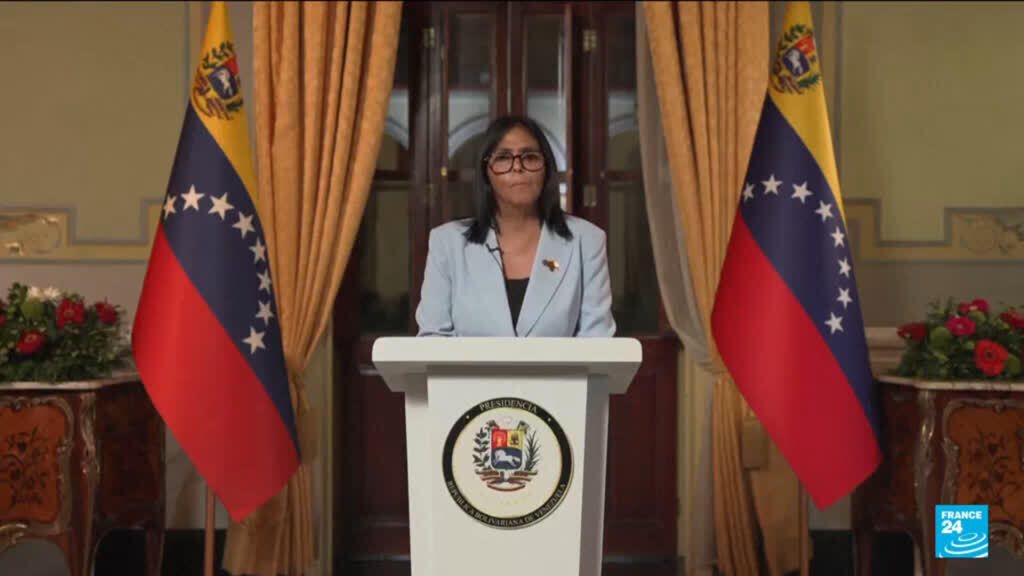
The United States and Venezuela have concluded a 25-year oil agreement covering 65 billion barrels of Venezuelan crude, a deal that US President Donald Trump has described as the biggest in world history. The announcement was made in a televised address by Venezuelan officials, who sought to reassure the public that the country will retain control of its oil under the terms of the arrangement.
Venezuela's interim president assured citizens that the agreement preserves national ownership and sovereignty over the country's hydrocarbon resources. The deal is intended to allow Venezuela to develop its oil industry with US participation, ending years of sanctions and isolation that have crippled production in the South American nation.
The agreement marks a significant shift in relations between Washington and Caracas. Venezuela sits atop some of the world's largest proven oil reserves, but its industry has been in steep decline for nearly two decades, with production falling from roughly 3 million barrels per day in the late 1990s to a fraction of that today. The country's state oil company has struggled with underinvestment, mismanagement, and the effects of US sanctions imposed during the administration of former President Nicolás Maduro.
Under the new deal, US companies are expected to bring capital, technology, and expertise to revive Venezuela's oil fields, refineries, and export infrastructure. In return, Washington gains access to a reliable source of crude at a time of global market volatility. The 25-year duration of the contract signals a long-term commitment by both sides, far exceeding typical commercial agreements in the energy sector.
Analysts note that the scale of the deal, if fully implemented, could reshape global oil markets. Venezuela's reserves are estimated at more than 300 billion barrels, the largest in the world, and the 65 billion barrels covered by this agreement represent a substantial portion of that total. However, the practical challenges of rebuilding the country's energy sector remain formidable, including repairing damaged infrastructure, restoring electricity supply to oil facilities, and attracting the workforce needed to operate complex installations.
The political implications are equally significant. The interim government has staked its legitimacy on restoring democratic institutions and reviving the economy, and this deal is presented as a cornerstone of that effort. For the United States, the agreement represents a strategic realignment in the Western Hemisphere, drawing Venezuela closer to Washington at a time when other powers, including China and Russia, have sought influence in the region.
Details of the financial terms have not been fully disclosed, but officials indicated that revenue from oil exports will be directed toward rebuilding Venezuela's economy and paying down international debts. The Venezuelan government has promised transparency in the management of these funds, though sceptics have questioned whether such oversight will materialise given the country's history of corruption in the oil sector.
The deal has drawn reactions across the Caribbean and Latin America, where many nations depend on Venezuelan oil under preferential arrangements. Regional leaders will be watching closely to see how the agreement affects fuel supplies, prices, and the broader balance of power in the region. For the Commonwealth of Dominica and other CARICOM states, the outcome could influence energy costs and diplomatic alignments in the years ahead.
53