The United States, China and Russia have pledged to increase oil supply as the world moves through a global energy transition, according to a joint statement tied to the Asia-Pacific Economic Cooperation summit. The commitment signals that three of the world's largest energy players intend to expand petroleum output at a time when many governments are pushing to cut fossil fuel use.
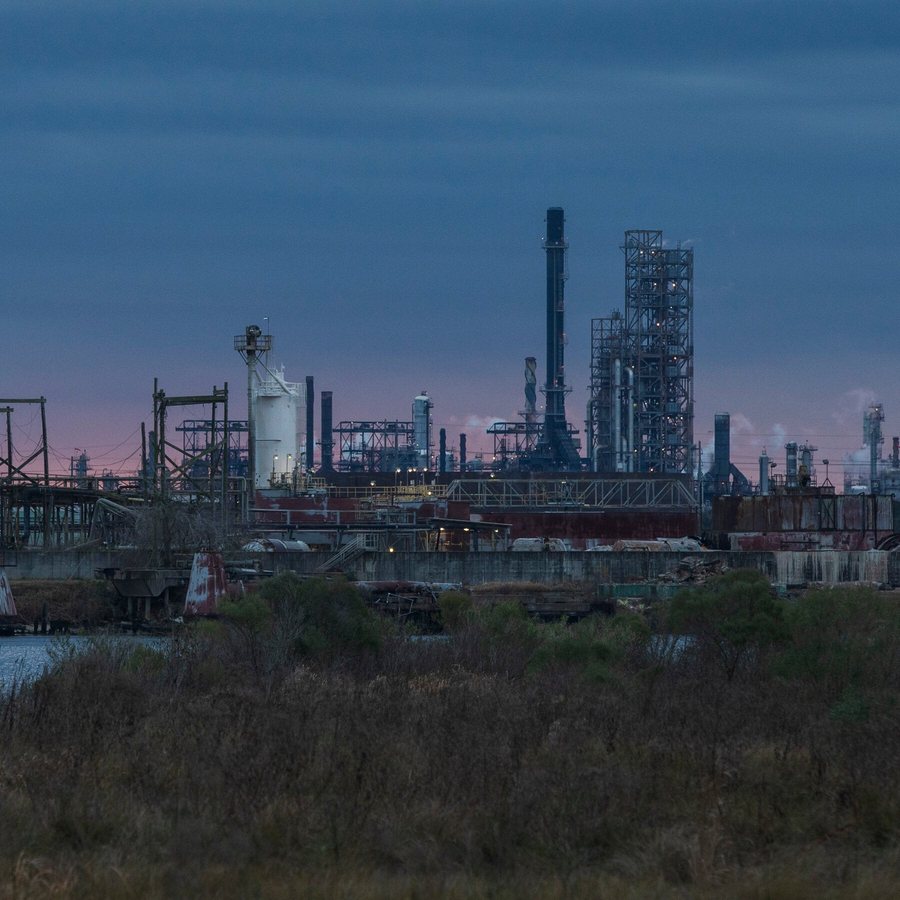
The pledge has raised questions about how it would be carried out. The statement did not make clear how the United States, Russia and China would increase production of refined petroleum products. Refined products such as fuels are made at refineries, and a refinery facility in Pascagoula, Mississippi, shown in an accompanying photograph taken earlier this year, illustrates the kind of infrastructure such an expansion would depend on. The source material does not provide production targets, timelines or volumes, so the scale of the planned increase cannot yet be measured.
The announcement carries particular weight because it comes from a joint position rather than from a single country. Each of the three powers has a large stake in the global oil market, and a coordinated statement suggests that their energy policies are being aligned in at least one respect, even as they remain divided on many other issues. The APEC setting, which brings together economies around the Pacific, gives the statement a regional platform and draws attention from other members who depend on stable and affordable supplies.
For smaller economies such as the Commonwealth of Dominica, which imports nearly all of its fuel, decisions taken by major producers and consumers can shape the price and availability of petroleum products. Energy costs feed into electricity, transport and the cost of living across the Caribbean, which is why developments of this kind are closely watched in the region even when they originate far away. Higher or more stable supply could ease pressure on import bills, while a tighter market would be felt quickly at the pump and in household budgets.
The tension at the heart of the story is between near-term supply and long-term transition. Governments across the world have committed to reducing emissions and shifting toward cleaner energy, yet the three powers now signal that oil will remain central to their plans for some time. How these competing goals are balanced, and whether the stated increase in supply materialises, will become clearer in the coming months as details emerge.
35