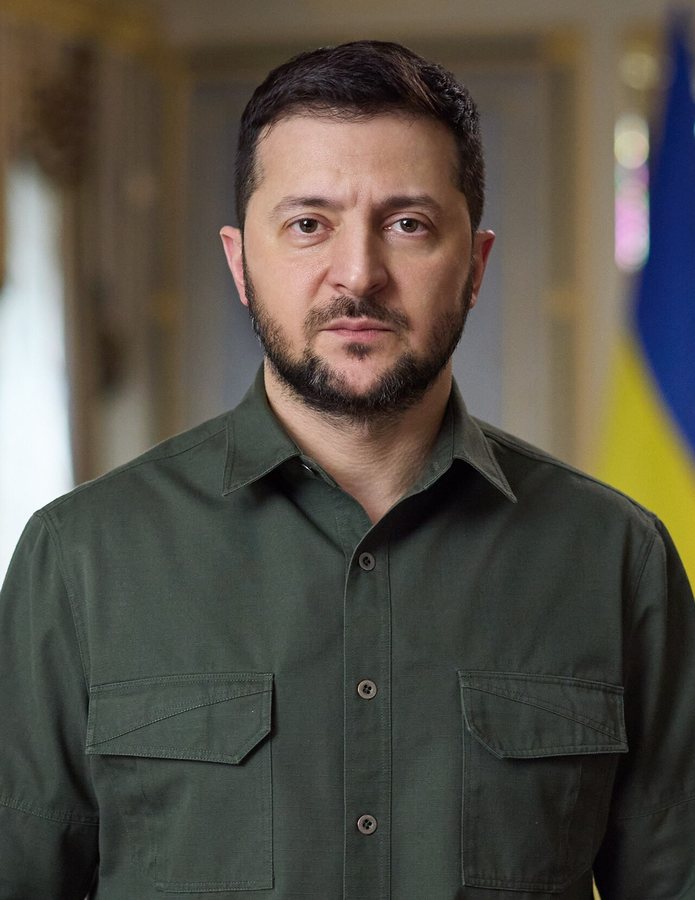
Ukrainian President Volodymyr Zelenskyy has condemned as «shameful» an exchange of gunfire between two of the country’s own intelligence services, an incident that left three officers wounded and exposed a dangerous internal rift during wartime.
The shootout, which took place in Kyiv, involved personnel from rival branches of Ukraine’s spy apparatus. Speaking after the clash, Zelenskyy issued a blunt rebuke, telling security forces that they should «only shoot at Russian occupiers». The president’s public dressing-down underscores the seriousness of the incident, which threatens to undermine the cohesion of Ukraine’s defence establishment as the war against Russia enters its 1,653rd day.
Details of what sparked the confrontation remain unclear, but the fact that Ukrainian security personnel turned their weapons on each other has prompted an outpouring of anger and concern in the capital. Three officers were wounded in the clash and have reportedly received medical attention. The president’s use of the word «shameful» signals that disciplinary action is likely to follow as the military command seeks to restore order and discipline within its ranks.
The incident comes at a delicate moment for Ukraine, which continues to rely on Western military aid and intelligence support to sustain its defence against Russian forces. Internal divisions within Kyiv’s security establishment could complicate the coordination of military operations and provide a propaganda victory for Moscow, which has long sought to portray the Ukrainian government as dysfunctional.
In a separate development, US Secretary of State Marco Rubio has warned that new deliveries of Patriot air-defence systems could take years to manufacture. The remarks cast doubt on the speed at which the United States and its allies can replenish Ukraine’s air-defence capabilities, which have been severely tested by Russian missile and drone strikes. The Patriot system is considered one of the most effective shields against aerial attack, and Kyiv has repeatedly pressed its Western partners for additional batteries and munitions.
Rubio’s assessment suggests that even with firm political commitment from Washington, the physical constraints of production lines will limit how quickly advanced weaponry can reach the front. The timeline he outlined is likely to factor into Ukrainian military planning, as commanders must decide how to allocate their existing air-defence resources in the coming months.
The twin pieces of news — the internal security services clash and the sobering assessment on Patriot production — paint a complex picture of Ukraine’s position. On the one hand, the country’s forces remain capable of mounting significant operations against Russian positions. On the other, the strain of nearly five years of full-scale war is visible in both the behaviour of its security agencies and the logistical challenges facing its international backers.
Zelenskyy’s forceful response to the shootout suggests he is determined to prevent any erosion of discipline within the ranks. His message was unambiguous: the only legitimate target for Ukrainian weapons is the Russian occupier. Whether that directive will be enough to heal the rift between the intelligence services remains to be seen, but the president has made clear that he views the incident as an unacceptable distraction from the primary mission of defending the nation.
The coming weeks will reveal how the Ukrainian command handles the fallout from the clash and whether the United States can accelerate its weapons production timelines. For now, the priority for Kyiv is to ensure that its security forces remain focused on the enemy at the gate, not on each other.
39