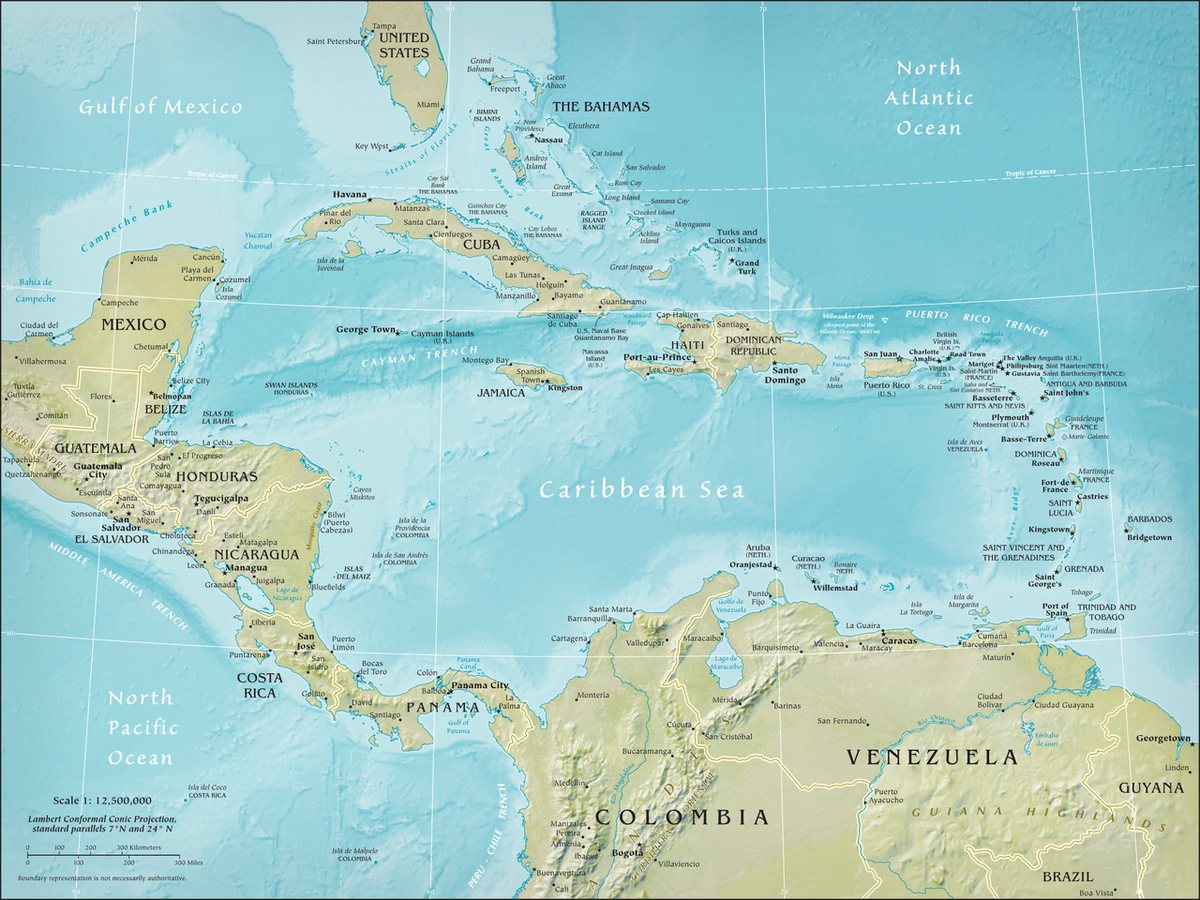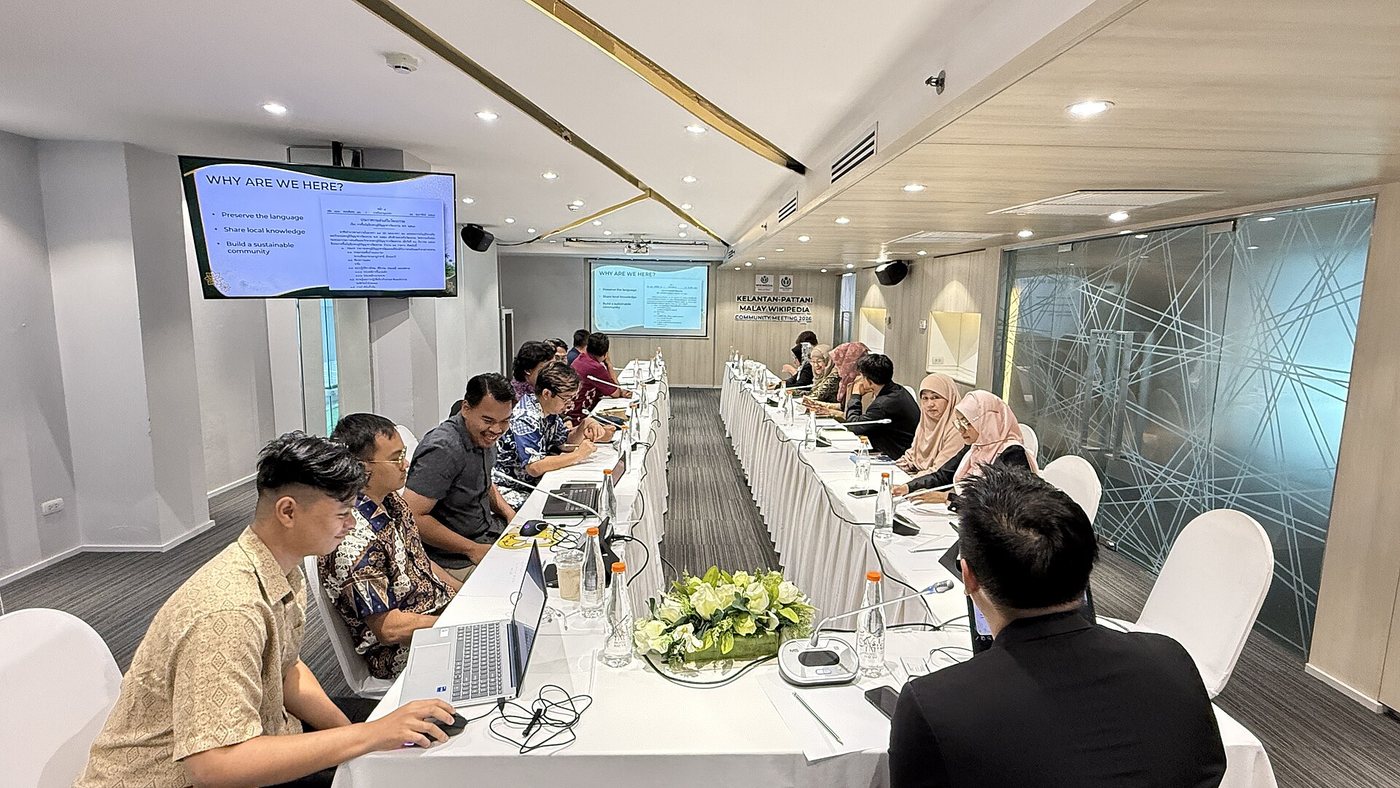
Future Nutrition and Dietetics professionals at The University of the West Indies (UWI), St. Augustine Campus, are gaining an added advantage as they prepare to enter the workforce, following specialised food safety training delivered by the Caribbean Public Health Agency (CARPHA). The initiative is designed to equip students with practical skills that complement their academic studies and respond to the growing demand for qualified food safety expertise across the region.
The training forms part of broader efforts to strengthen food safety systems in the Caribbean, where tourism, agriculture and food service industries depend on consistent public health standards. By engaging students before they graduate, CARPHA aims to build a pipeline of professionals who understand regional challenges and can apply international best practices in local settings.
Participants in the programme receive hands-on instruction in areas such as food handling, hygiene protocols, hazard analysis and regulatory compliance. These skills are increasingly important as Caribbean nations work to harmonise food safety legislation and meet export requirements for agricultural and processed food products.
The collaboration between UWI and CARPHA reflects a wider regional commitment to public health capacity building. Similar initiatives have been rolled out in other Caribbean territories, with a focus on reducing foodborne illness and improving consumer confidence in locally produced goods.
For the students, the certification adds a practical credential to their academic qualifications, improving their competitiveness in a job market that spans hospitals, public health departments, food manufacturing companies and hospitality establishments. It also positions them to contribute to national food security strategies, which have become a priority for Caribbean governments in recent years.
The training comes at a time when the region is placing greater emphasis on food safety as part of its economic development agenda. With tourism remaining a cornerstone of many Caribbean economies, maintaining high standards in food service and production is seen as essential to protecting both public health and the region's reputation as a destination.
CARPHA has long served as the region's lead agency for public health, providing technical guidance and coordinating responses to health threats. Its involvement in academic training underscores the importance of preparing the next generation of health professionals to address emerging challenges, including those posed by climate change and globalised food supply chains.
The UWI St. Augustine Campus, located in Trinidad and Tobago, is one of the region's leading institutions for health sciences education. Its Nutrition and Dietetics programme attracts students from across the Caribbean, many of whom return to their home countries to practise after graduation.
Observers note that the initiative also supports the Caribbean Community's broader goals of food and nutrition security, as outlined in regional development plans. By investing in human capital, the programme aims to reduce reliance on imported expertise and strengthen the region's ability to manage its own public health priorities.
No details have been released on the number of students enrolled in the current training cycle or the duration of the programme. However, officials have indicated that the collaboration is expected to continue, with potential expansion to other UWI campuses and regional institutions in the future.
71