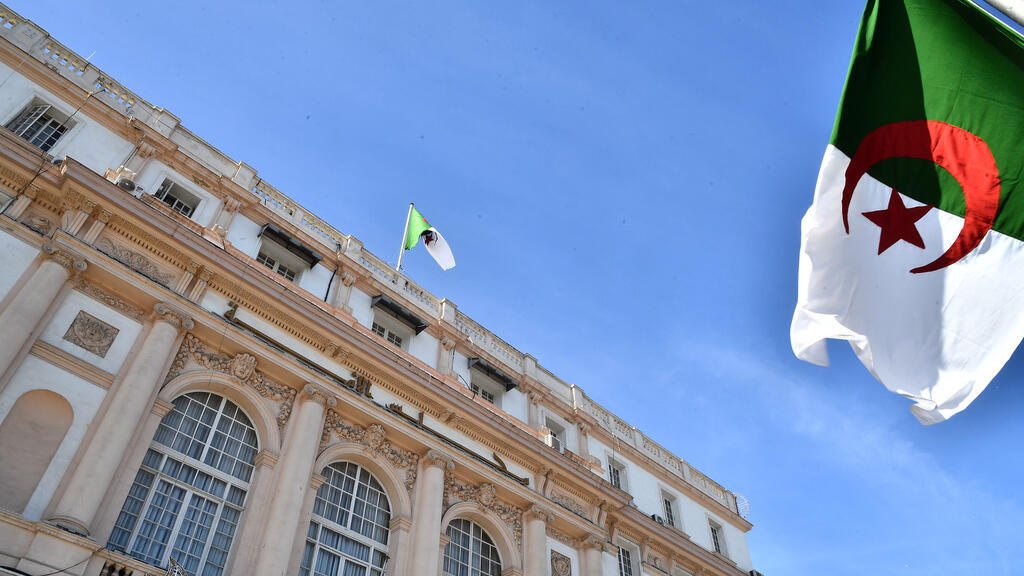
Algeria's parliament on Sunday approved a resolution to send troops to Niger, marking the first time Algerian soldiers will be deployed abroad since the 1973 Arab-Israeli war. The decision represents a significant shift in Algiers' military posture after more than five decades without a foreign mission of this kind.
The deployment comes at a time when Niger continues to face persistent attacks by armed groups, including incidents near its border with Algeria. Security along the shared frontier has been a concern for both governments, and the resolution reflects Algiers' willingness to take a more direct role in the security situation of its southern neighbour.
The move also coincides with the progress of the Trans-Saharan Gas Pipeline, a project linking Algeria and Niger that has faced decades of delays. Algiers and Niamey are now working on the scheme together, and the parallel development of security cooperation and energy infrastructure underlines how closely the two countries' economic and strategic interests are tied.
The parliamentary vote is the step that authorises the deployment. The reporting available to this newsroom does not specify the size of the contingent, its precise mandate, or the timetable for the troops' arrival, and those details have not been confirmed.
The Trans-Saharan Gas Pipeline has long been discussed as a route to carry Algerian natural gas across the Sahara towards markets in Europe via Niger, but repeated delays have stalled its construction for many years. The renewed momentum on the project, alongside the military decision, suggests that the two governments see stability in the border region as a precondition for completing it.
Niger has been affected by insecurity across its territory for several years, with armed groups active in border zones and across the wider Sahel. Algeria has historically kept its armed forces within its own borders, which makes Sunday's resolution a notable departure from that tradition and a clear signal of the importance Algiers attaches to the stability of its neighbour.
The 1973 deployment referred to in the resolution was connected to the Arab-Israeli war, when Algerian forces took part in the broader Arab effort of that period. Since then Algeria has concentrated its military activity on domestic security and on protecting its frontiers, so the proposed mission to Niger marks a new chapter in the country's regional security role.
For Niamey, the arrival of Algerian troops would add a neighbouring partner to its response to insecurity along a border that has been a focus of concern. For Algiers, the mission and the pipeline are closely linked, since a more secure border environment is central to keeping the long-delayed energy project on track.
3