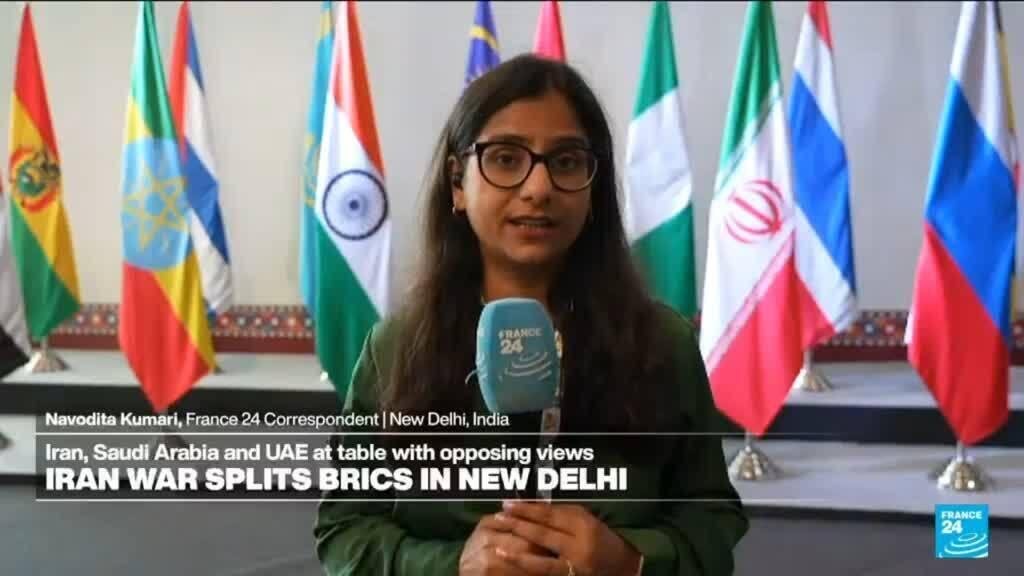
Leaders of the BRICS nations are meeting in New Delhi on Saturday for a summit centred on trade, investment and global conflicts, as the bloc seeks a bigger role in shaping the global agenda for emerging and developing countries.
The summit brings together heads of state from the group's member countries at a time when wars and tensions with the United States are testing the bloc's unity and its ambitions on the world stage.
Discussions in the Indian capital are expected to cover trade and investment cooperation among members, alongside a range of international conflicts that have divided global opinion and complicated the group's efforts to speak with one voice.
BRICS has positioned itself as a voice for emerging and developing economies, arguing that existing international institutions do not give enough weight to the Global South. The New Delhi meeting is the latest attempt to translate that ambition into a common position on trade, investment and diplomacy.
The gathering comes as the bloc faces pressure from several directions. Wars in different regions have exposed differences among members over how to respond, while tensions with Washington have added a further layer of difficulty to the group's efforts to present a united front.
India is hosting the summit at a moment when the BRICS agenda extends well beyond its original economic focus. Trade and investment remain central themes, but global conflicts now occupy a prominent place in the discussions, reflecting the group's desire to be seen as a serious player in international affairs.
For small states in the Caribbean and across the developing world, the outcome of the New Delhi talks is being watched closely. The decisions taken by large emerging economies on trade, investment and global governance can shape the options available to smaller nations that depend on open markets and stable international rules.
The summit is also a test of whether BRICS can move from broad statements of intent to practical cooperation. Member countries have different economic interests and different relationships with major powers, and those differences are likely to surface as leaders work through the agenda.
Trade and investment discussions are expected to focus on ways to deepen economic ties among members and to increase the group's collective weight in global markets. The conflicts on the agenda, meanwhile, are likely to test the bloc's ability to agree on language that all members can accept.
Observers will be watching for any joint declaration that sets out the group's position on the wars and on its relationship with the United States. The tone and content of any final statement will indicate how far BRICS members are prepared to go in challenging the existing international order.
The New Delhi summit is one of the most closely followed gatherings of emerging economies this year. Its outcome will help determine whether BRICS can build on its expansion and present itself as a coherent force in global affairs, or whether internal divisions will limit its influence.
For now, the meeting in the Indian capital has brought the leaders of the BRICS nations together around a shared agenda of trade, investment and international conflict, with the group's supporters hoping it will mark another step towards a more prominent role for the developing world.
57