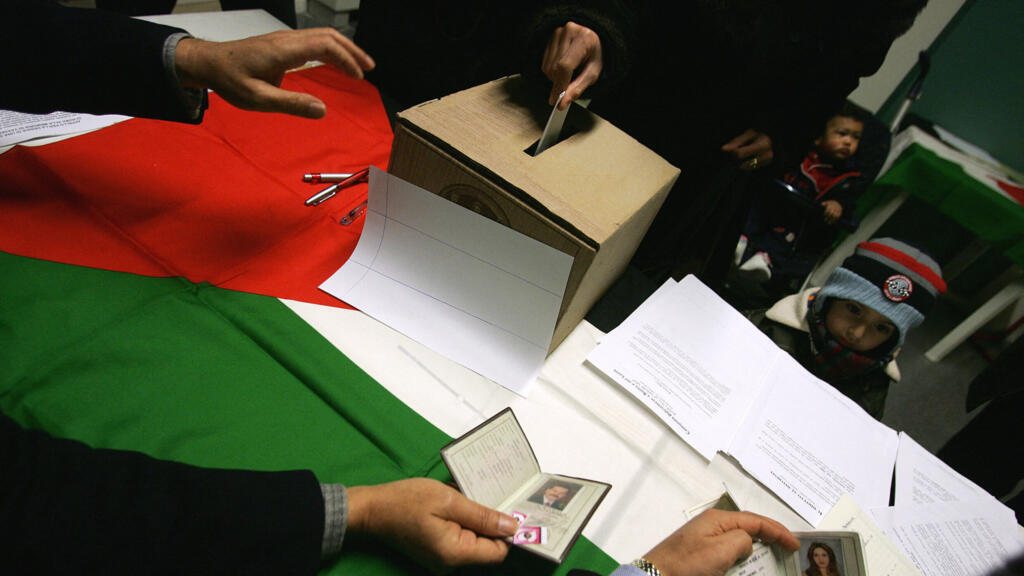
France and seven other countries, including the United Kingdom and Canada, have called on the Palestinian Authority to hold its delayed parliamentary and presidential elections by the end of March 2027. The joint call was issued on Saturday and is aimed at restoring democratic legitimacy to the Palestinian leadership.
The group criticised a decision by Palestinian President Mahmoud Abbas to push both votes back to September. The seven countries made their continued support for the Palestinian Authority conditional on democratic reform, signalling that political and financial backing depends on progress towards a credible electoral process.
The statement places the Palestinian Authority under pressure to set a firm timetable rather than repeatedly postponing polls. Elections have been promised for years but have not been held in recent cycles, and the new delay has drawn criticism from governments that have traditionally supported the Authority.
The intervention highlights the link many international partners draw between the Authority's legitimacy and the regular holding of votes. By attaching conditions to their support, the countries are seeking leverage over the pace of reform rather than simply calling for elections in principle, and the deadline of end-March 2027 gives the Authority a concrete date to meet or explain why it cannot.
The position of the signatories is significant because the UK and Canada, like France, have historically been among the Palestinian Authority's international backers. Their public conditioning of that support on democratic steps marks a sharper tone than a routine appeal, and it suggests that the question of whether elections happen on time is now tied directly to decisions about continued engagement.
For Dominicans and other Caribbean readers, the statement is part of a wider international debate over governance and democracy in conflict-affected territories. The source material does not name the Commonwealth of Dominica among the signatories, and no Caribbean government is reported to have joined the call, so the development is covered here as a matter of international politics rather than regional policy.
5