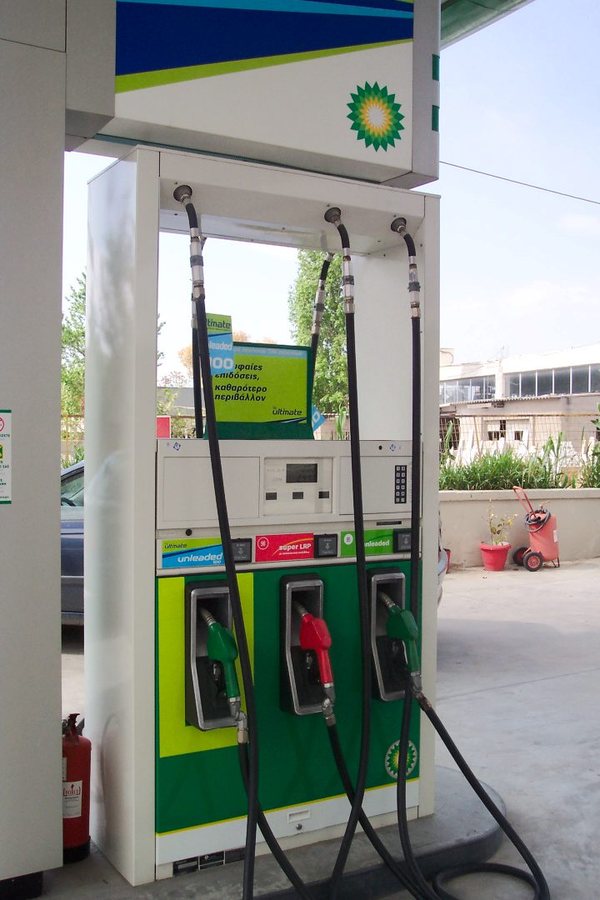
Eurozone inflation rose to 3.8% last month, with core price growth also accelerating, as diesel prices in the United Kingdom reached £2 a litre for the first time. The dual developments underscore the cost-of-living pressures still weighing on households and businesses across Europe, with knock-on effects for Caribbean economies tied to European trade and tourism.
Core inflation in the eurozone, which excludes volatile energy, food, alcohol and tobacco prices, edged up to 2.5% in September from 2.4% in August. The reading suggests underlying price pressures remain persistent even as headline inflation fluctuates with energy costs. Policymakers at the European Central Bank have been watching core inflation closely as a gauge of whether price growth is becoming entrenched across the wider economy.
The surge in diesel costs is particularly significant for Dominica and other Caribbean nations, where fuel prices feed directly into electricity generation, transport and food distribution costs. The Eastern Caribbean dollar is pegged to the US dollar, meaning movements in global energy markets transmit quickly to local pump prices. Higher diesel costs can raise the cost of fishing, farming and inter-island shipping, all of which are lifelines for the Nature Isle's economy.
In the United Kingdom, diesel hitting £2 a litre marks a symbolic threshold that affects hauliers, farmers and motorists. The UK is a major source market for Caribbean tourism, and rising fuel costs there can reduce disposable income for travel, potentially affecting visitor numbers to Dominica during the cruise and winter season. The island's tourism sector, still recovering from past hurricane disruptions, depends heavily on European and North American arrivals.
The eurozone inflation data comes amid broader financial market turbulence, with French government bonds under pressure and discussions of tax rises and spending cuts in several European capitals. These fiscal strains could influence European Union development assistance and climate finance flows to small island developing states, including Dominica, which has been a vocal advocate for greater international support for climate resilience.
For Dominican consumers, the immediate concern is the price of imported goods, from fuel to flour, as global energy costs remain elevated. The government has previously adjusted fuel taxes and subsidies to cushion local prices, but sustained high diesel costs limit fiscal room for manoeuvre. Farmers in the Kalinago Territory and along the east coast, who rely on diesel-powered equipment and transport to market, are among those most exposed to further increases.
The European Central Bank faces a delicate balancing act: raising interest rates further could cool inflation but risks tipping the eurozone into recession, which would reduce demand for Caribbean exports and tourism. Conversely, holding rates steady could allow inflation to persist, keeping fuel and food costs high for import-dependent islands like Dominica.
Dominica's own inflation picture is closely linked to these external trends. The island imports most of its fuel, food and manufactured goods, so European and global price movements are felt quickly in Roseau and Portsmouth markets. The government's commitment to geothermal energy development is partly aimed at reducing this vulnerability by lowering reliance on imported diesel for electricity generation.
As European finance ministers and central bankers debate their next steps, small states across the Caribbean will be watching closely. For Dominica, the priority remains shielding households from the worst of the price shocks while continuing to build long-term resilience through renewable energy and sustainable agriculture.
2