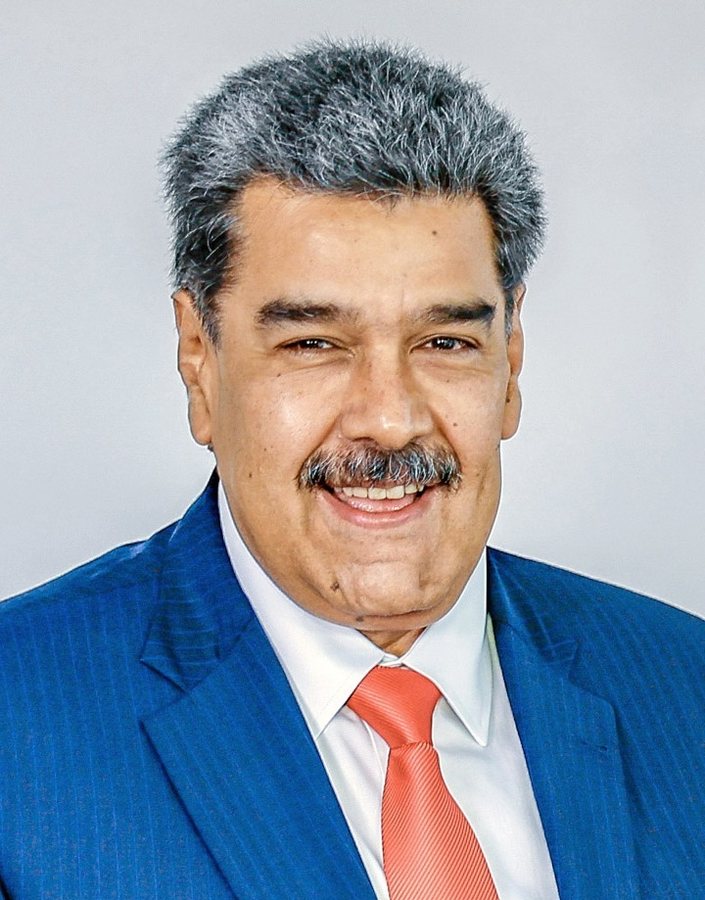
The first photographs of former Venezuelan President Nicolás Maduro in United States custody have been released, offering the public its first glimpse of the detained leader since the military operation that removed him from power in January. The images, shared Sunday on Maduro's X and Telegram accounts, appear to show him inside a US detention facility wearing a grey tracksuit and making peace signs.
Maduro described the photographs as a gift to his grandchildren, children and supporters, telling them that he and his wife, Cilia Flores, remain strong. The couple is being held in Brooklyn, New York, and has pleaded not guilty to US charges related to drug trafficking and firearms offences. Although the photographs were released on Sunday, available camera data indicates they were taken on June 25, 2026.
The release provides the first public glimpse of Maduro in detention since the controversial US military operation that removed him from Venezuela earlier this year. The operation, which drew sharp criticism from some regional governments and praise from others, marked an unprecedented intervention by Washington in the affairs of a Latin American nation.
Maduro's trial is scheduled to begin on June 1, 2027. Legal analysts have noted that the timeline allows both the prosecution and the defence substantial time to prepare what is expected to be a complex case involving allegations that span more than a decade. The charges against Maduro and Flores relate to an alleged scheme to flood the United States with cocaine and to the illegal possession of firearms.
The photographs have reignited debate in the Caribbean and across the hemisphere about the circumstances of Maduro's capture. Several CARICOM member states have called for restraint and due process, while Venezuelan opposition figures have welcomed the prosecution. The government of the Commonwealth of Dominica has not issued an official statement on the release of the images.
Maduro's social media posts have continued to reach his followers despite his detention, a fact that has raised questions about the conditions of his confinement and the extent of his access to communications. In his message accompanying the photographs, Maduro sought to project confidence and resilience, telling supporters that he and his wife remain in good spirits as they await trial.
The case is being watched closely across the region, where Maduro's rule and his removal have been a source of deep division. For Dominicans, the developments in New York are a reminder of the wider geopolitical currents that shape the Caribbean basin, even as the island nation focuses on its own priorities of disaster preparedness, economic development and regional cooperation.
The trial, when it begins, is expected to draw significant international attention. Legal experts say the proceedings will test the ability of the US judicial system to handle a case of such political sensitivity, involving a former head of state captured in a foreign capital by American forces.
60