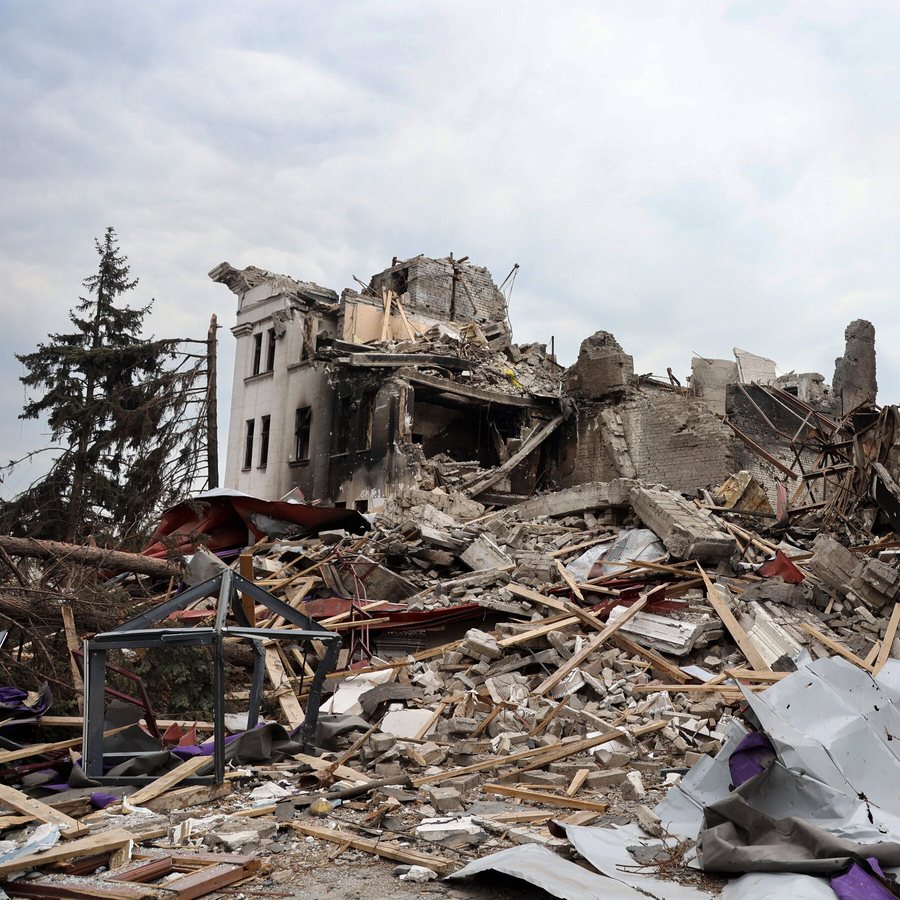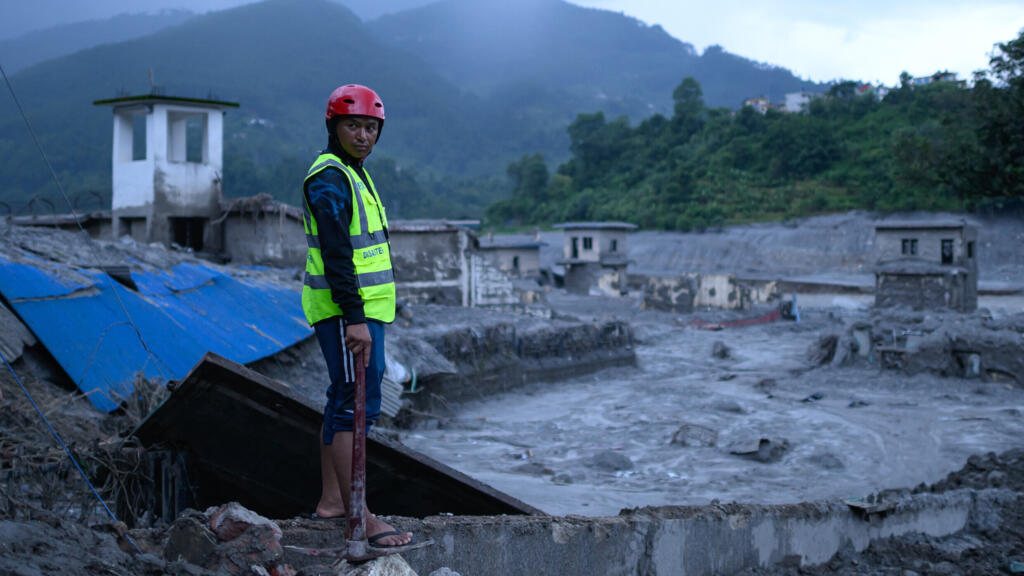
Rescuers in Nepal and China continued their search on Saturday for nearly 3,000 people still missing after catastrophic flooding along the Himalayan border swept through entire villages earlier this week. The confirmed death toll has reached at least 682, with 675 bodies recovered in Nepal and seven in China, as emergency teams race against time to find survivors in the mud and debris left by the deluge.
The flooding struck after days of intense rainfall triggered rivers to burst their banks and sent torrents of water and sediment crashing into low-lying communities. Entire settlements were engulfed within hours, leaving residents with little time to flee to higher ground. The disaster has overwhelmed local response capacities, prompting the deployment of military personnel, police units, and volunteer teams to the worst-affected areas along the border region.
In Nepal, search operations are concentrated in the southeastern districts bordering the Tibet Autonomous Region, where villages built along river valleys bore the brunt of the flash floods. Rescue workers are using heavy machinery to clear landslides that have blocked roads and cut off remote hamlets, while inflatable boats are being used to reach communities isolated by floodwaters. Officials have warned that the number of missing could rise as communication links are restored with the most inaccessible areas.
The scale of the disaster has strained local hospitals and temporary shelters, with hundreds of injured survivors receiving treatment for wounds, hypothermia, and waterborne illnesses. Relief supplies, including drinking water, food, and medical kits, are being air-dropped to areas where ground access remains impossible. Authorities have also issued health advisories warning of the risk of disease outbreaks in the aftermath of the flooding.
In China, the confirmed toll is significantly lower, but officials report that several villages on the northern side of the border remain submerged and unreachable. Emergency teams are working to drain floodwaters and assess the damage, while geologists monitor the stability of hillsides that could give way in further landslides. The Chinese government has pledged full cooperation with Nepalese authorities in coordinating cross-border rescue efforts and sharing weather and river-level data.
The disaster has drawn international attention, with neighbouring countries and humanitarian organisations offering assistance. The United Nations has stated it is ready to support relief operations if requested, while aid agencies are preparing to deploy emergency teams to the region. However, the immediate focus remains on the search for survivors, with families of the missing gathering at collection points, desperate for news of their loved ones.
Meteorologists have noted that the intensity of this week's rainfall was exceptional, with some areas recording their highest precipitation levels in decades. Climate scientists have long warned that rising global temperatures are increasing the frequency and severity of extreme weather events in the Himalayan region, where glacial melt and changing monsoon patterns are making communities more vulnerable to sudden flooding.
As the search enters its fifth day, the chances of finding survivors are diminishing, but rescue teams say they will continue until every accessible area has been combed. The full scale of the destruction is only beginning to emerge, and officials in both countries have cautioned that the final death toll may not be known for weeks. For now, the priority remains clear: pull as many people from the mud and rubble as possible, and care for the thousands left homeless by one of the deadliest floods to hit the region in recent memory.
41