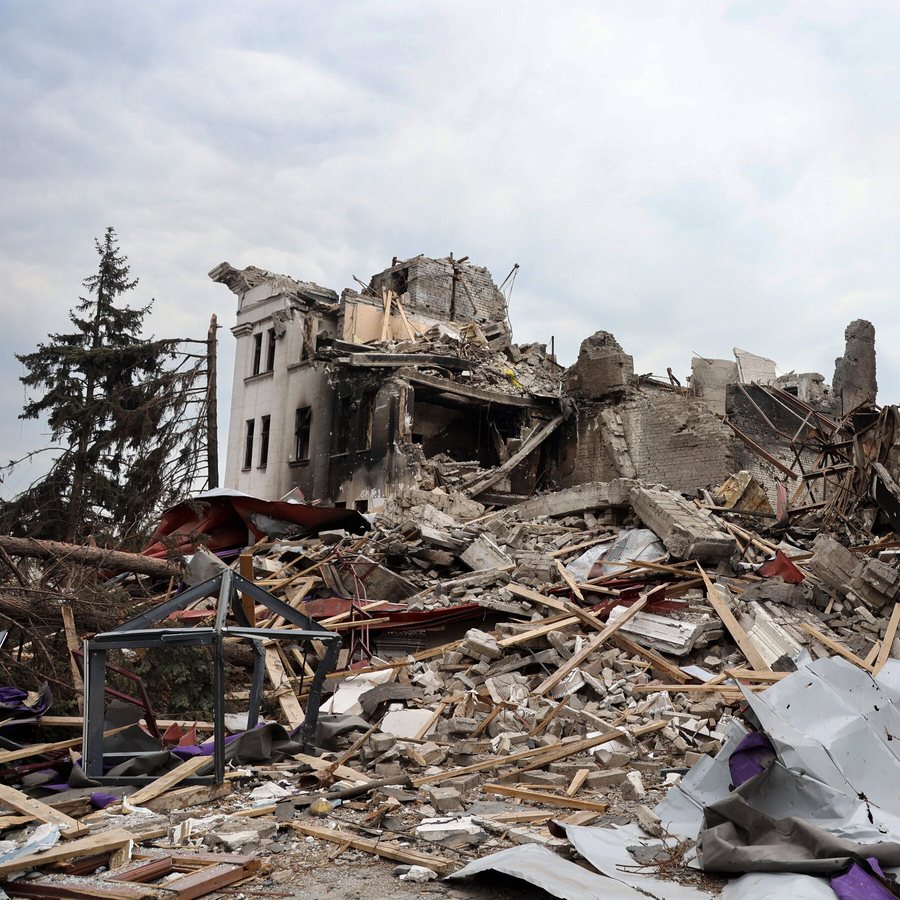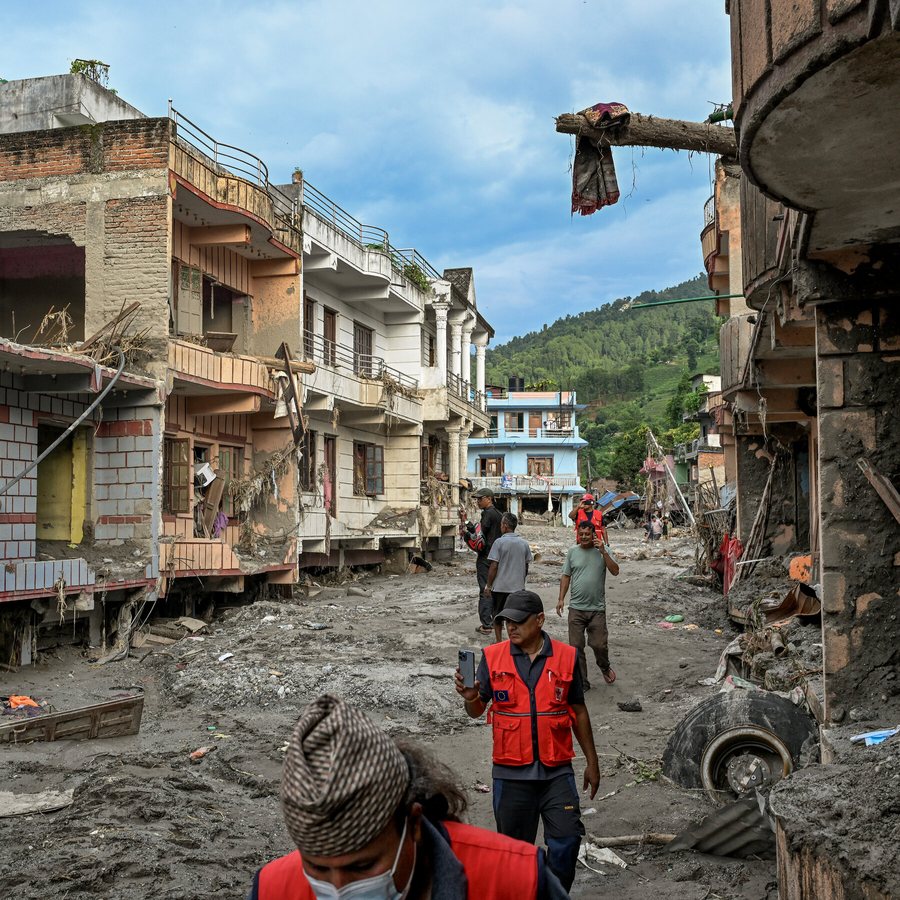
Rescue teams in Nepal are continuing to search for an estimated 2,400 people missing after devastating flash floods swept through the country on Wednesday, with officials describing the scale of destruction as «immense.» The town of Devighat, in the Nuwakot district, was among the hardest hit, with buildings reduced to rubble and entire neighbourhoods buried under mud and debris.
The floods, triggered by intense rainfall, struck with little warning, overwhelming rivers and sending torrents of water through valleys and settlements. In Devighat, residents recounted how the water rose within minutes, forcing families to scramble to higher ground as homes collapsed around them. Emergency crews, including military and police units, have been working around the clock to reach isolated communities, clear blocked roads and recover those still unaccounted for.
Officials have warned that the number of missing could change as communication links are restored and remote villages are reached. Many of the missing are believed to have been swept away while trying to flee, while others may be trapped under collapsed structures. The government has deployed additional search and rescue teams to the affected districts, but access remains difficult due to damaged infrastructure and ongoing rainfall in some areas.
The disaster has placed renewed focus on the vulnerability of mountainous regions to sudden weather events. Nepal, already prone to landslides and flooding during the monsoon season, has seen an increase in the intensity of such events in recent years, a trend that experts link to changing climate patterns. The flash floods have also damaged roads, bridges and power lines, complicating relief efforts and leaving many communities cut off from essential supplies.
Local authorities have set up temporary shelters for those displaced by the floods, providing food, clean water and medical care. Humanitarian organisations have mobilised to support the government's response, though they have cautioned that the full extent of the damage will only become clear once the search operations conclude. Survivors in Devighat have described harrowing scenes of neighbours helping neighbours, with many crediting quick action for saving lives even as the waters rose.
The Nepalese government has promised financial assistance for affected families and has pledged to rebuild damaged infrastructure. However, officials acknowledge that the immediate priority remains the search for the missing and the care of the injured. As the operation enters its third day, the mood in the affected towns remains sombre, with families waiting anxiously for news of loved ones.
International partners, including neighbouring countries and aid agencies, have offered support, and the government has said it will accept help as needed. For now, the focus is on the ground, where rescue workers continue to dig through debris and sweep riverbanks in the hope of finding survivors. The full human cost of the disaster is still being counted, but the scale of the loss is already clear.
34