President Donald Trump has announced that his defence secretary and secretary of state reached an agreement with the Venezuelan government on securing billions of barrels of oil reserves. The arrangement, which the President described as a partnership with private business, marks a significant development in United States engagement with Venezuela's energy sector.
The announcement came directly from the President, who said the agreement was concluded between his senior cabinet officials and representatives of the Venezuelan government. While the President did not provide details on the structure of the partnership or the timeline for implementation, he framed the deal as a means of bringing the country's substantial oil wealth into productive use.
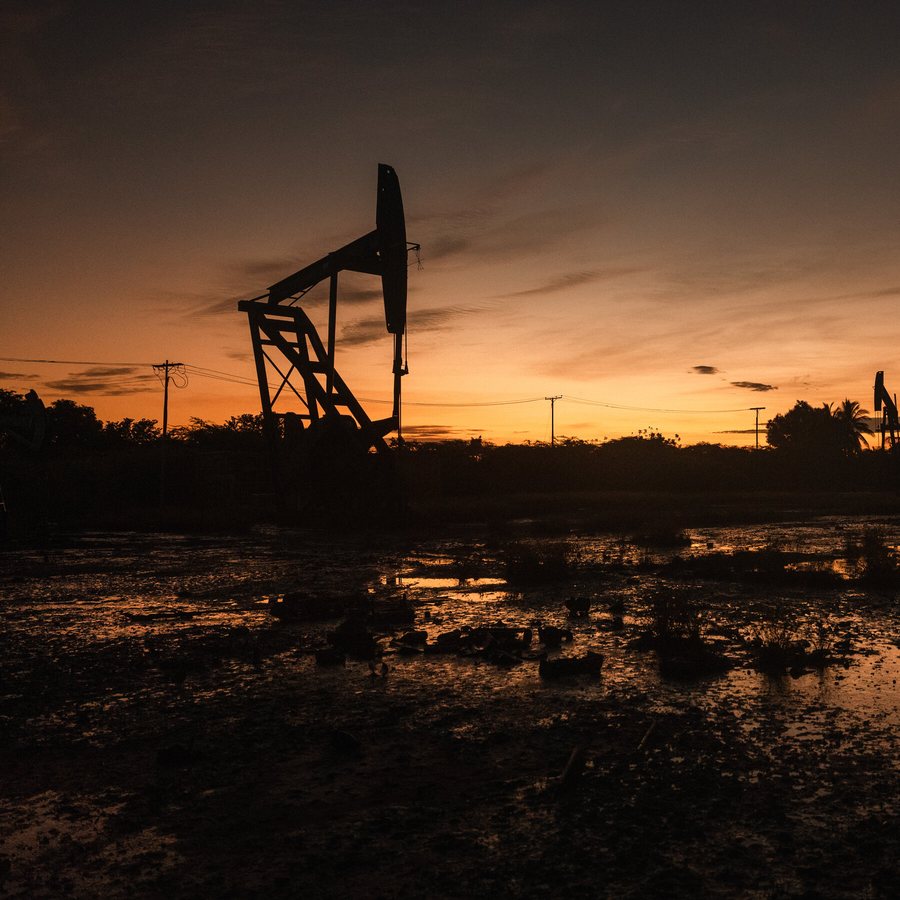
Venezuela holds some of the largest proven oil reserves in the world, but its petroleum industry has suffered years of decline owing to sanctions, underinvestment and mismanagement. The involvement of the Pentagon in what is fundamentally a commercial energy arrangement is unusual and signals a more direct role for the United States military establishment in the region's resource politics.
The agreement raises questions about the legal and diplomatic framework that would govern such a partnership. United States sanctions on Venezuela's state-owned oil company have been a central pillar of Washington's policy toward the country, and any move to secure reserves through private business would require careful navigation of those restrictions.
Observers will be watching for further details on which private companies might participate and how the arrangement would interact with existing contracts and international obligations. The Venezuelan government has not yet issued a formal statement confirming the terms of the agreement as described by President Trump.
The development comes at a time of shifting energy markets and renewed attention to Western Hemisphere oil supplies. For the Commonwealth of Dominica and other Caribbean nations, the stability and direction of Venezuela's oil sector carry regional implications, particularly for fuel supply arrangements under the PetroCaribe framework and related cooperation agreements.
No further official details have been released regarding the scope of the reserves covered by the agreement or the expected economic returns. The President's statement, however, indicates that the arrangement is intended to be substantial, referencing billions of barrels of oil reserves.
As the situation develops, regional governments and energy analysts will be assessing what the Pentagon's involvement means for the balance of interests in the Caribbean basin. The full text of any agreement, once made public, will be necessary to understand the practical consequences for fuel security and regional diplomacy.
50