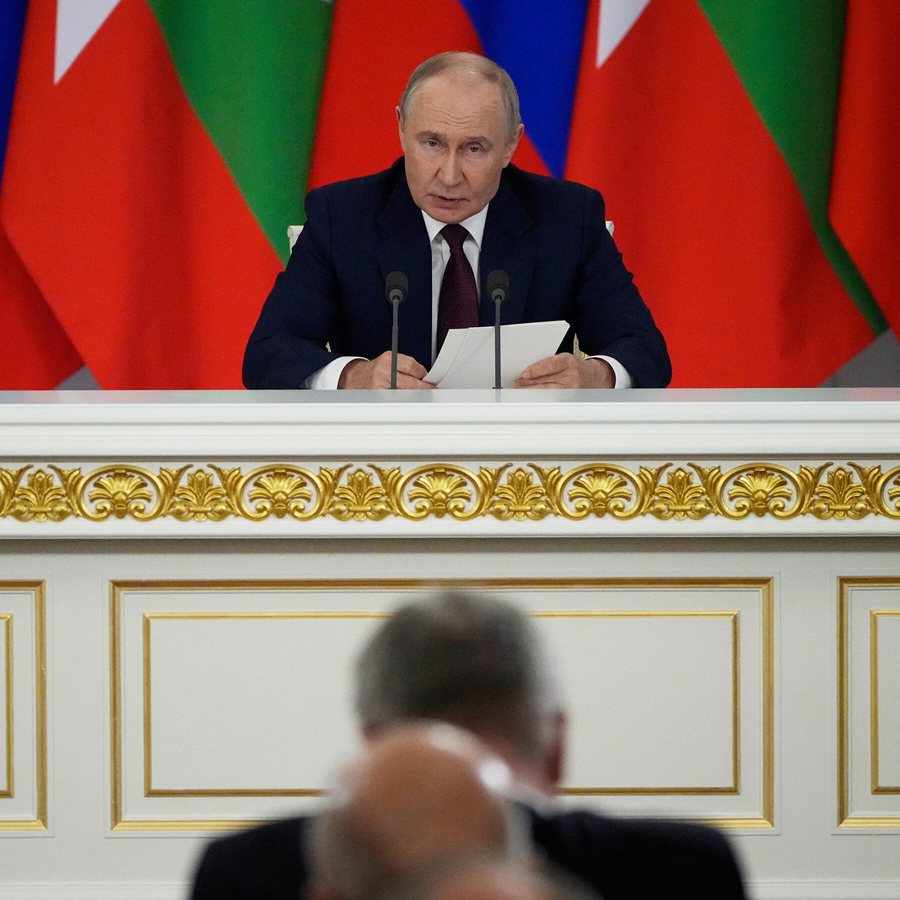
Russian President Vladimir Putin has indicated he intends to press on with the war in Ukraine, arguing that despite the mounting difficulties facing Moscow, the situation in Kyiv is far worse. His remarks come as Russia contends with battlefield setbacks, economic strain and growing international isolation, yet the president insists there is no reason for Russia to change course.
Speaking in a setting that allowed him to address the conflict directly, Putin acknowledged that Russia faces problems but dismissed the notion that they are severe enough to force a rethink. He suggested that Ukraine’s leadership is under considerably greater pressure, pointing to what he described as Kyiv’s dependence on Western support and its inability to sustain the fight on its own terms. The comments are the latest sign that the Kremlin sees no early end to the war, even as the costs accumulate on both sides.
Putin’s position reflects a broader calculation in Moscow that time is on Russia’s side. While Western countries have pledged continued military and financial assistance to Ukraine, questions persist about the durability of that support, particularly as elections and domestic political pressures reshape priorities in Washington and European capitals. The Russian president has repeatedly framed the conflict as a defensive struggle against Western expansion, a narrative he returned to in his latest remarks.
The war, now in its third year, has exacted a heavy toll on Russia. Western sanctions have restricted access to technology and finance, inflation has eroded household incomes, and the military has suffered significant casualties. Yet Putin has shown no willingness to compromise on his core demands, which include Ukrainian neutrality and recognition of Russia’s territorial gains. Ukrainian officials, for their part, have ruled out any settlement that would cede land or compromise the country’s sovereignty.
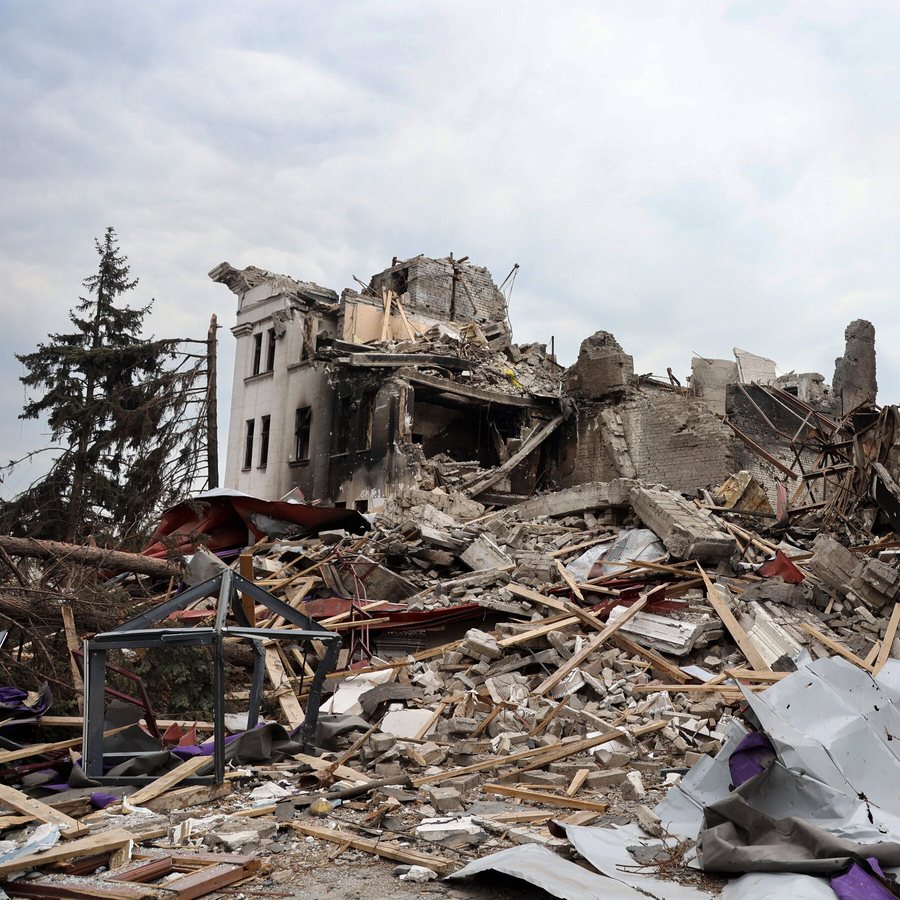
Diplomatic efforts to end the fighting have stalled. Mediation attempts by various governments and international bodies have failed to produce a framework acceptable to both sides, and neither appears prepared to make the concessions that a ceasefire would require. The United Nations and humanitarian organisations continue to warn of the worsening situation for civilians, with millions displaced and critical infrastructure damaged across Ukraine.
For the Commonwealth of Dominica, the conflict carries indirect consequences. The island nation, like much of the Caribbean, has felt the effects of rising global food and fuel prices, which have been aggravated by the war’s disruption of supply chains. Dominica has consistently supported United Nations resolutions calling for a just and lasting peace in Ukraine, aligning with the wider CARICOM position that respects territorial integrity and international law.
Putin’s latest comments suggest that the war will remain a defining feature of the global landscape for the foreseeable future. With no visible path to negotiations and both sides entrenched, the human and economic costs are likely to keep climbing. The international community, including small states such as Dominica, continues to watch closely, aware that the conflict’s ripple effects reach far beyond the battlefields of Eastern Europe.
40