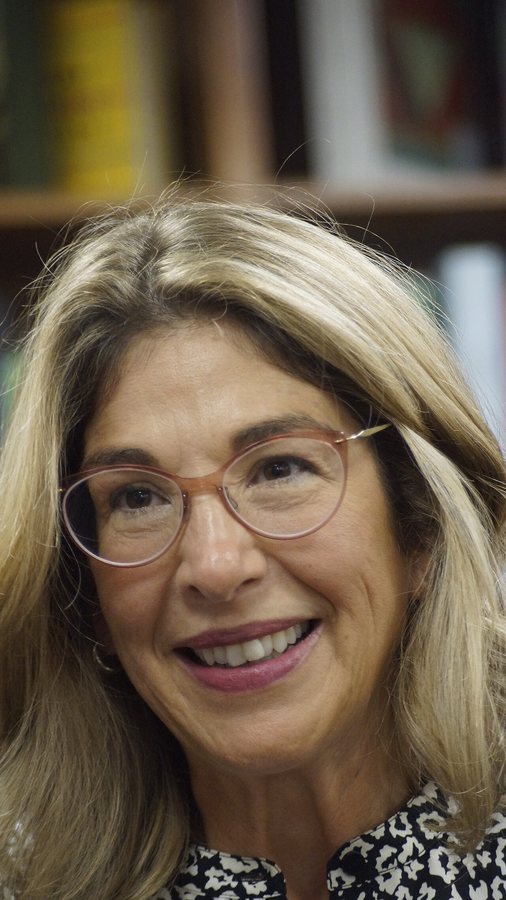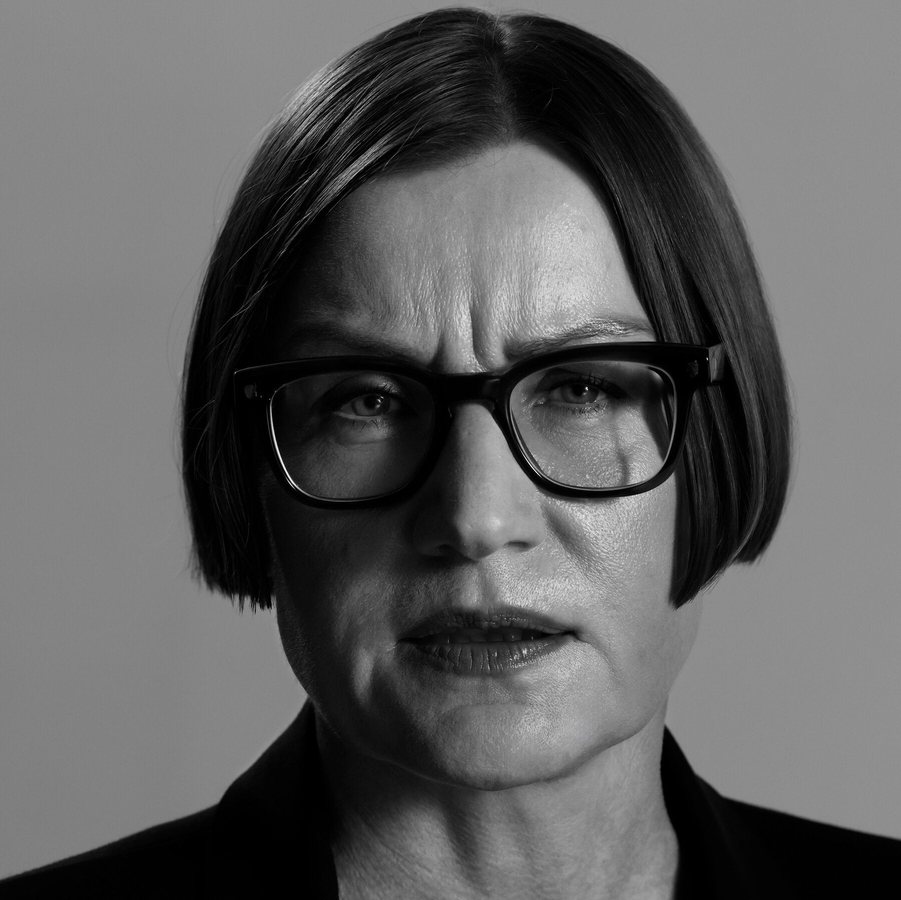
The president of the International Committee of the Red Cross has issued a stark warning that armed conflicts around the world are spiralling beyond the control of the international system meant to contain them. Mirjana Spoljaric, who leads the Geneva-based humanitarian organisation, said her visits to both sides of multiple conflicts have left her deeply concerned about the direction the world is taking.
Spoljaric has travelled to Gaza and has held direct meetings with Iranian officials, part of the ICRC's long-standing practice of engaging all parties to a conflict in order to secure humanitarian access and protect civilians. That willingness to talk to governments and armed groups alike is central to the organisation's mandate under the Geneva Conventions, but she said the space for neutral humanitarian work is narrowing.
Her warning comes as multiple wars and armed confrontations continue across the Middle East, Europe, Africa and Asia, stretching humanitarian agencies and exposing civilians to repeated displacement, hunger and the collapse of basic services. The ICRC, which was founded in 1863 and has won the Nobel Peace Prize three times, operates in some of the world's most dangerous environments, often where other aid groups cannot reach.
Spoljaric's message is that the rules of war are being eroded, and that when they are ignored, the consequences are felt far beyond the immediate battlefield. Hospitals, water systems and power supplies are damaged or destroyed, and families are left without shelter or medical care. In Gaza, the humanitarian situation has been described by aid agencies as catastrophic, with widespread destruction and severe shortages of food, medicine and clean water.
For a small island like Dominica, the warning carries a particular resonance. Dominicans know from Hurricane Maria in 2017 how quickly a community can be left dependent on outside help, and how important it is that humanitarian workers and relief supplies can reach those in need without obstruction. The country has also contributed personnel to regional and international peacekeeping and disaster response efforts through its membership of CARICOM and the wider Commonwealth.
The ICRC president's concern is not limited to any single conflict. She has said the organisation is dealing with a growing number of simultaneous crises, each demanding attention and resources, while respect for international humanitarian law declines. That combination, she argues, makes it harder to negotiate access, protect detainees and reunite families separated by fighting.
Neutral intermediaries such as the ICRC rely on the confidence of all sides. When that confidence is lost, or when parties to a conflict treat humanitarian workers as enemies, aid deliveries stall and civilians pay the price. Spoljaric's public warning is a signal that the organisation believes the current trajectory is unsustainable and that greater diplomatic effort is needed to pull the world back from further escalation.
For Dominica and other Caribbean states, the implications are indirect but real. Global instability can disrupt shipping, fuel prices and food imports, and it can divert the attention and funding that small states need for climate adaptation and disaster recovery. The region has consistently argued at the United Nations for peaceful settlement of disputes and for stronger support for vulnerable countries.
Spoljaric's warning is a reminder that even distant conflicts shape the lives of people in the Caribbean, and that the rules protecting civilians in war are only as strong as the will of governments to uphold them.
3