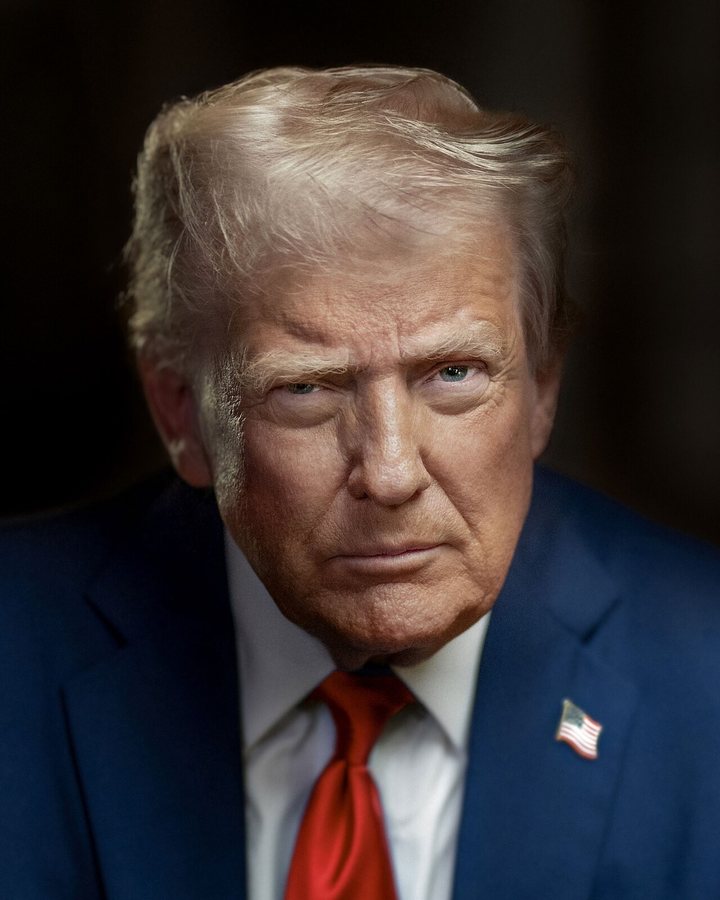
President Donald Trump welcomed Chinese leader Xi Jinping to Maryland on Wednesday for the second face-to-face meeting between the leaders of the world's two largest economies this year, with artificial intelligence emerging as a central and unresolved point of contention between Washington and Beijing.
The talks follow a summit in Beijing in May at which both sides spoke at length about building what they called a «strategic stability» between the two powers. That language has not been matched by results: the United States and China remain at odds over trade, export controls and broader geopolitical questions, and officials on both sides have played down expectations of firm commitments from this week's encounter.
Artificial intelligence has moved to the front of the agenda as both governments press ahead with competing visions for the technology. Washington has tightened restrictions on the export of advanced semiconductors and the equipment used to make them, measures intended to slow China's progress in training and deploying cutting-edge AI models. Beijing has responded with its own controls and has accelerated efforts to build a domestic chip industry capable of operating without American components.
The distrust between the two administrations runs deeper than any single file. American officials have accused Chinese firms of acquiring restricted technology through intermediaries, while China has characterised US export controls as an attempt to hold back its economic development. Neither position has shifted in the months since the Beijing summit, and negotiators have made little visible progress on the trade disputes that have reshaped global supply chains since 2018.
Taiwan remains the most sensitive subject surrounding the meeting. Trump has publicly expressed admiration for Xi and has spoken of his desire for a warm reception, prompting concern among some US lawmakers and allies that he may soften long-standing American positions on the island's security. Few concrete outcomes are anticipated from the talks, and analysts expect both leaders to prioritise the appearance of stable relations over binding agreements.
For the Caribbean, the stakes are indirect but real. Dominica and its OECS neighbours trade with both powers and depend on a rules-based international trading system for bananas, cocoa, fisheries exports and cruise tourism. Any further fragmentation of global trade into competing blocs, or disruption to shipping and semiconductor supply chains, would raise costs for small island economies that have no influence over the outcome of great-power negotiations.
The meeting also carries significance for the wider Caribbean Community, which has maintained diplomatic and commercial ties with Beijing while retaining close relationships with Washington and other Western partners. CARICOM governments have consistently argued that small states should not be forced to choose between major powers, and they have pressed for continued access to development finance, climate assistance and technology transfer regardless of how US-China competition evolves.
Wednesday's encounter is expected to conclude without a joint statement of substance. Both delegations have signalled that the priority is to keep channels of communication open and to prevent competition in AI, trade and the Taiwan Strait from escalating into open confrontation. Whether that limited aim can be sustained will depend on what follows the handshake in Maryland.
4