The United Kingdom is holding firm to its long-standing refusal to pay reparations for its role in the transatlantic slave trade, even as Jamaica pursues a fresh legal route to press Britain on its historical responsibility for slavery. A spokesperson for the UK Prime Minister restated the government's position this week, saying the question of financial redress is not on the table.
The development places the reparations debate squarely back in the public eye across the Caribbean, where governments and advocacy groups have argued for years that Britain owes a debt for the enslavement of millions of Africans and the enrichment of British institutions, families and cities. Jamaica's move signals a shift from diplomatic appeals to a more formal legal challenge, a strategy that could test the UK's stance in court or before international bodies.
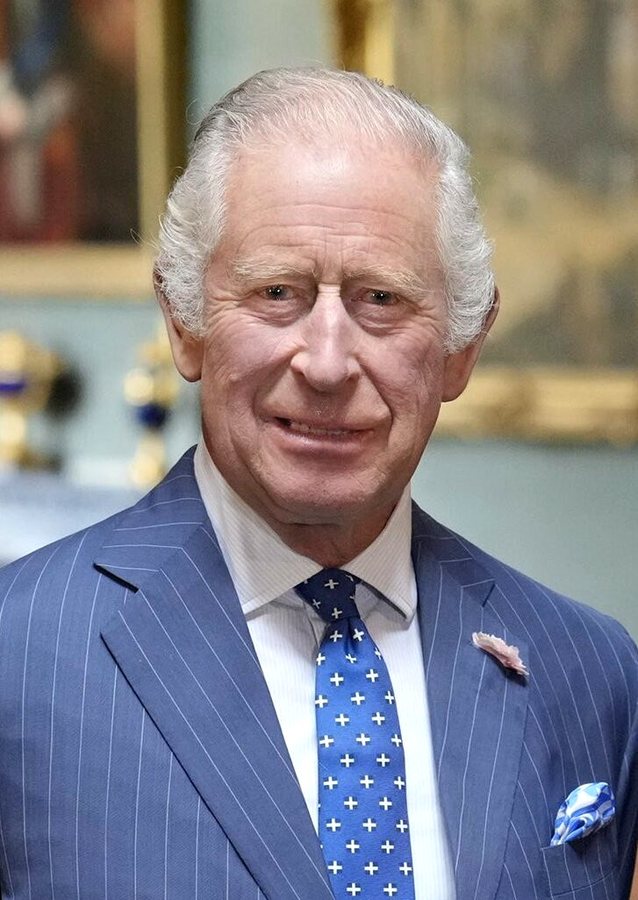
King Charles III, who has spoken of the need to acknowledge the wrongs of the past, now finds himself at the centre of the dispute. His public remarks on the subject have been carefully worded, stopping short of endorsing financial reparations, and the UK government's position remains that it will not apologise in a way that creates a legal liability. That gap between royal acknowledgement and government refusal is exactly what Caribbean campaigners are seeking to exploit.
For Dominica and its neighbours in the Caribbean Community, the issue is not abstract. The region's governments have collectively backed the Caricom Ten-Point Plan for Reparatory Justice, which calls for a formal apology, debt cancellation, development assistance, and support for public health and education, among other measures. The plan frames reparations not as charity but as repair for centuries of extraction that shaped the modern Caribbean economy.
The UK's rejection is unlikely to end the matter. Jamaica's legal approach could encourage other Caribbean states to follow, and the debate is expected to feature in Commonwealth discussions and bilateral talks. For small island states, the outcome matters because it touches on how historical injustice is weighed against present-day development needs, from climate finance to debt relief.
Dominicans at home and in the diaspora have followed the reparations conversation closely, given the island's own history of colonialism and the role of enslaved labour in building its early economy. While Roseau has not announced a separate legal action, the regional push led by Jamaica and Caricom gives the issue renewed momentum.
The UK government has not signalled any change in policy. Its spokesperson repeated that the focus should be on addressing contemporary challenges rather than paying compensation for historical wrongs. Campaigners counter that the wealth built through slavery continues to shape inequality today, and that acknowledgement without material remedy is incomplete.
As King Charles III continues his reign, the reparations question is likely to shadow his engagements with Caribbean leaders. For Jamaica and its Caricom partners, the legal route is now part of a wider strategy that combines public pressure, diplomacy and, increasingly, the courts.
51