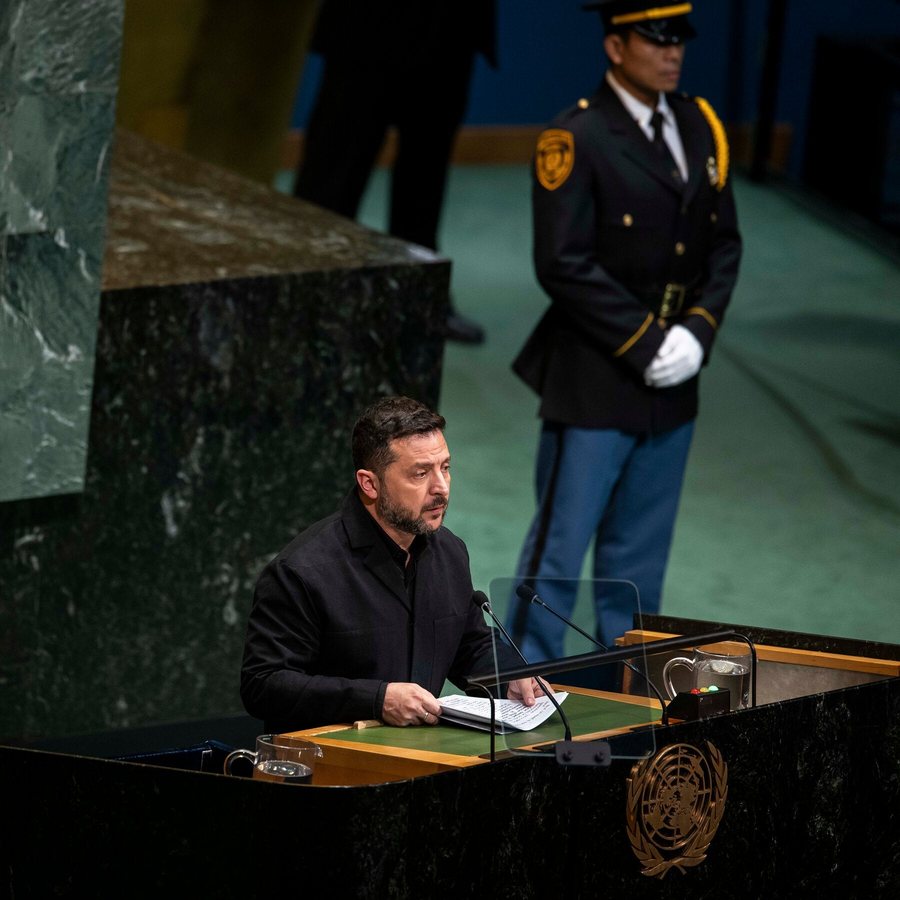
Ukraine has transferred two North Korean prisoners of war to South Korea, President Volodymyr Zelensky told the United Nations General Assembly, in a move that sharpens international attention on Pyongyang's military support for Moscow.
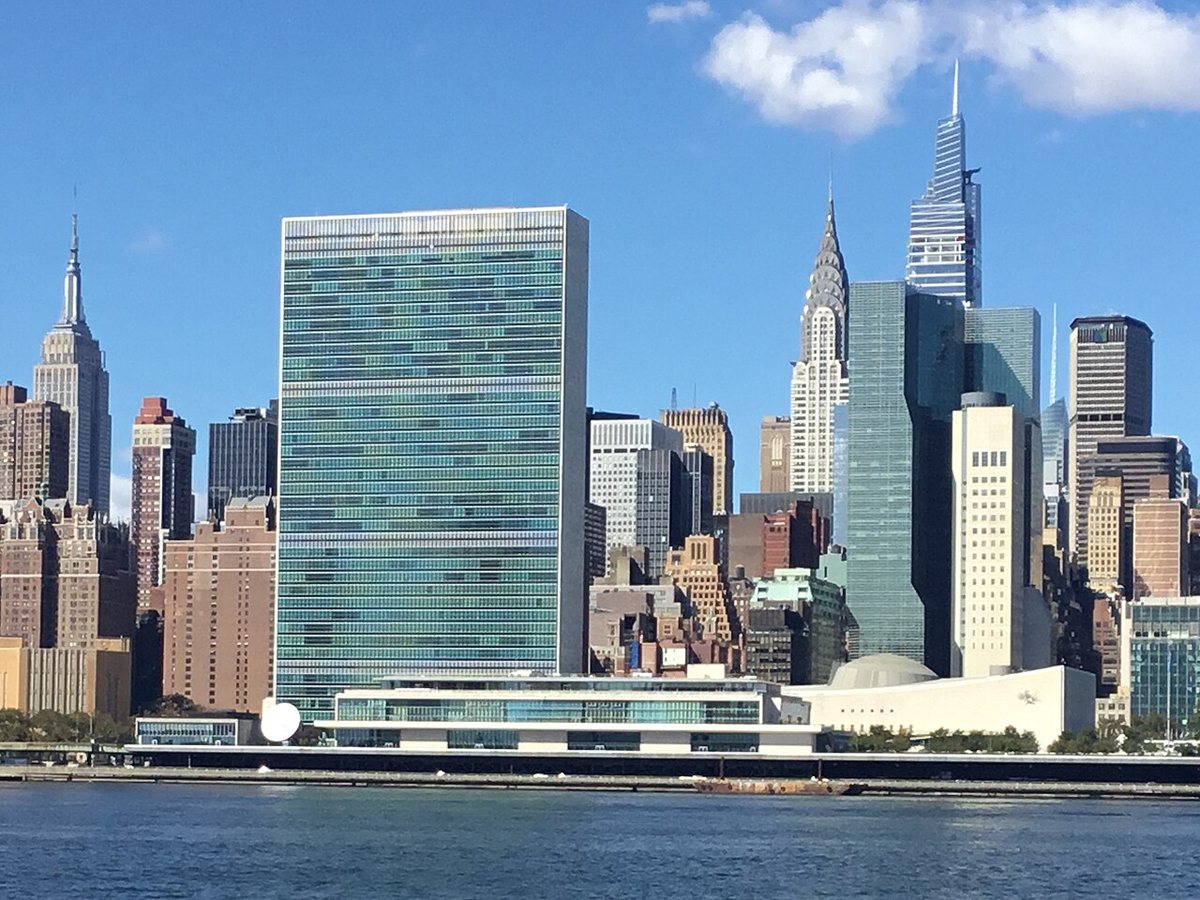
Addressing the assembly, Zelensky said the two soldiers had been captured while fighting alongside Russian forces and were subsequently sent to South Korea. He used the occasion to criticise North Korea and its leader, Kim Jong-un, for deploying troops on Russia's behalf, describing the arrangement as a direct contribution to the war in Ukraine.
The disclosure places a spotlight on the growing military cooperation between Russia and North Korea, which Western governments have repeatedly condemned. The presence of North Korean personnel on the battlefield has been documented in recent months, and the capture of soldiers from the country has raised complex legal and diplomatic questions about their status and future.
Under international humanitarian law, prisoners of war are entitled to protections including humane treatment and safeguards against being returned to a country where they could face persecution. The transfer of the two men to South Korea reflects Seoul's position as the internationally recognised government of the Korean peninsula and its longstanding policy of accepting North Korean defectors and prisoners who wish to resettle.
South Korea has not yet publicly confirmed the details of the transfer. If verified, the arrival of the two soldiers would mark an unusual episode in the wider conflict, linking the battlefields of eastern Europe to the divided Korean peninsula.
Zelensky's remarks at the General Assembly formed part of a broader appeal to world leaders for continued support as Ukraine's war with Russia grinds on. By naming North Korea directly, he sought to frame the conflict as one that reaches beyond Europe, drawing in actors from Asia and raising the stakes for global security.
North Korea has not responded publicly to the claim. Pyongyang has previously rejected criticism of its military ties with Moscow, and there has been no independent confirmation of the soldiers' current whereabouts or their treatment since leaving Ukraine.
The transfer, if confirmed, would be one of the most concrete outcomes of the deepening Russia-North Korea relationship. It also raises questions about how many other North Korean soldiers may have been captured and what will happen to them, as well as how the international community will handle the legal status of troops deployed by a third country in a European war.
For South Korea, the case adds a sensitive humanitarian dimension to its already cautious diplomacy with Moscow and Pyongyang. Seoul has consistently said it will not recognise North Korea's nuclear status and has backed international efforts to hold Pyongyang accountable, while also managing its own security concerns along the heavily fortified border.
The announcement came as Zelensky pressed his case before the United Nations, where he has repeatedly called for stronger enforcement of sanctions and greater military assistance. His decision to highlight the North Korean prisoners underscores how the war has become a test of the international system's ability to respond to cross-border military cooperation.
Further details about the two men, including their identities and the circumstances of their capture, have not been released. It remains unclear whether they travelled to South Korea voluntarily or under what arrangements the transfer took place.
2