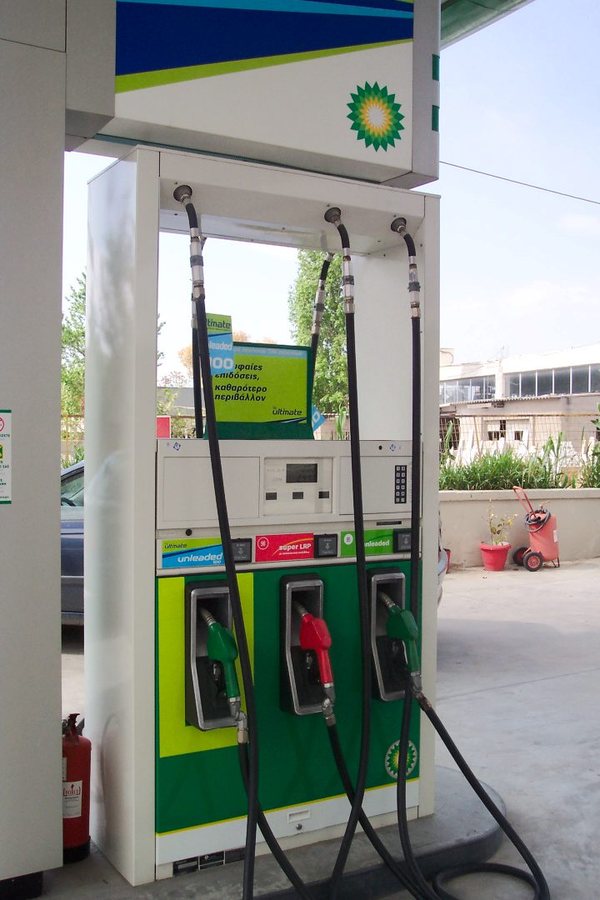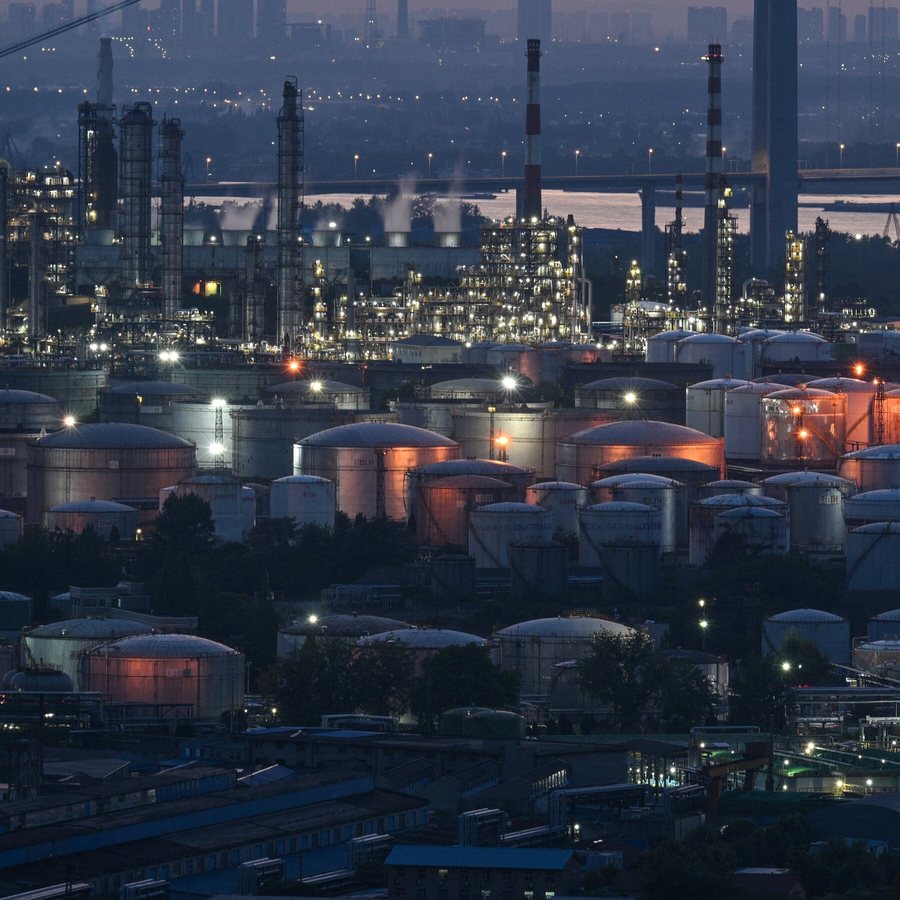
China has resumed restrictions on exports of refined fuels, a decision that is set to tighten global energy markets and could push up prices for diesel and other petroleum products far beyond Asia, including in the Eastern Caribbean.
The curbs, reported from a Sinopec refinery in Nanjing, mark a return to limits that Beijing had previously relaxed. The measure affects refined products such as diesel, a fuel that is critical for electricity generation, transportation and fishing across small island states.
For Dominica and its OECS neighbours, the immediate concern is the cost of imported fuel. The Eastern Caribbean dollar is pegged to the US dollar, and any sustained rise in global diesel prices feeds directly into electricity bills, transport costs and the price of goods in shops. Fishermen in Portsmouth and Marigot, farmers moving produce to Roseau, and households relying on generators would all feel the effect.
The timing is delicate. Global inventories of distillate fuels have been low, and any reduction in Chinese exports removes a key source of supply at a moment when other refiners are already stretched. Traders watch Chinese export quotas closely because the country is one of the world's largest exporters of refined products, and a pullback can shift prices in markets from Singapore to Rotterdam and, eventually, to Caribbean import terminals.
China had previously eased restrictions to support its own economy and to clear surplus fuel. The resumption of curbs suggests Beijing is again prioritising domestic supply, possibly to shield its own consumers from higher prices or to manage refinery output. Whatever the internal reasoning, the external effect is a tighter global market.
For Caribbean governments, the options are limited. Most islands import nearly all their fuel, and contracts are priced against international benchmarks. A sustained increase would add pressure to already strained budgets, complicate plans to stabilise electricity tariffs, and could slow the transition to renewable energy if imported fossil fuels become more expensive.
Dominica has been moving to develop geothermal energy, a domestic resource that could reduce reliance on imported diesel over time. But that transition is not yet complete, and in the short term the island remains exposed to movements in global fuel markets. The same is true for neighbouring islands in the OECS and wider CARICOM region.
There is no official statement yet from the Dominica government or from regional energy bodies on the likely impact. However, the pattern is familiar: when major exporters restrict supply, small importing states are among the first to feel the consequences at the pump and on the monthly light bill.
Regional analysts note that the effect may not be immediate. Cargoes already at sea will arrive, and existing contracts will be honoured. But spot prices for diesel and jet fuel can react quickly, and importers often pass those changes on within weeks. For a small island economy, even a modest increase can ripple through the cost of living.
The development also comes as Caribbean countries continue to press for greater energy security, including through renewable projects and regional cooperation. The resumption of Chinese export curbs is a reminder of how exposed the region remains to decisions made thousands of miles away.
For now, residents should expect no immediate shortage, but the direction of prices is upward. Official guidance from the Dominica Meteorological Service and the Office of Disaster Management is not relevant to this story, but the broader message from energy watchers is clear: small islands must continue to diversify their energy sources and reduce dependence on imported fuel.
Dominica 1 will continue to follow the situation and report any official statements on fuel prices or supply as they become available.
3