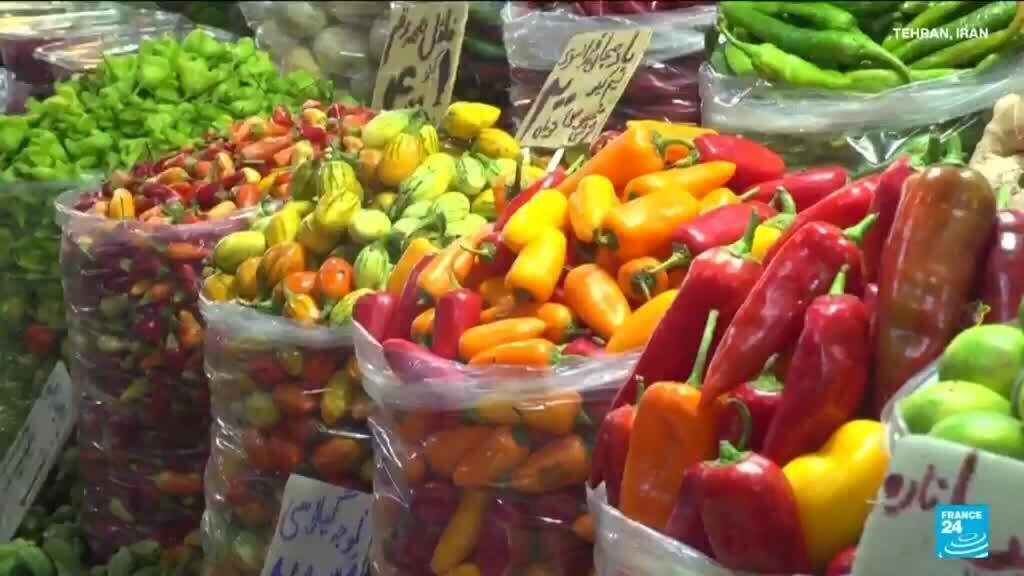
Shopkeepers across Iran are struggling to stay in business as the country's economy reels from years of sanctions compounded by a conflict that began in February with US-Israeli attacks and an American blockade of Iranian ports. The combination has put extraordinary strain on daily life, with traders reporting that demand has collapsed even as the cost of doing business climbs.
Official figures show inflation reached nearly 90 percent year-on-year in September, while erratic fluctuations in the currency exchange rate have driven up the cost of everyday items. Food prices have more than doubled since last year, leaving many households unable to afford basic goods and shopkeepers without the customers they need to survive.
The blockade of Iran's ports has disrupted the flow of imported goods, tightening supply and pushing prices higher still. For small traders who depend on imported stock, the result has been a squeeze from both sides: fewer buyers and more expensive merchandise. Several shopkeepers have said they are going bankrupt, unable to cover rent, wages, or the cost of replenishing shelves.
The economic pressure is not new. Years of international sanctions had already weakened Iran's currency and limited its access to global markets. But the conflict that began in February has deepened the crisis, cutting into trade and adding a security dimension to the financial strain. The American blockade has made it harder for goods to reach Iranian ports, and the uncertainty has made planning difficult for businesses of all sizes.
For ordinary Iranians, the effect is felt most sharply at the market. With food prices more than doubling in a year, families are adjusting their budgets, buying less, and turning to cheaper alternatives. That shift in behaviour has rippled through the retail sector, where shopkeepers report that even customers who still have money are spending cautiously.
The currency's erratic movements have added to the instability. Traders who price their goods in foreign currency must adjust constantly, and the resulting price changes can be abrupt. For small shops without the cushion of large reserves, those swings can mean the difference between staying open and closing for good.
There is no sign yet of relief. The conflict continues, the blockade remains in place, and inflation shows little sign of easing. For Iran's shopkeepers, the immediate concern is survival — keeping the doors open, paying the bills, and hoping that demand returns before the situation worsens further.
1