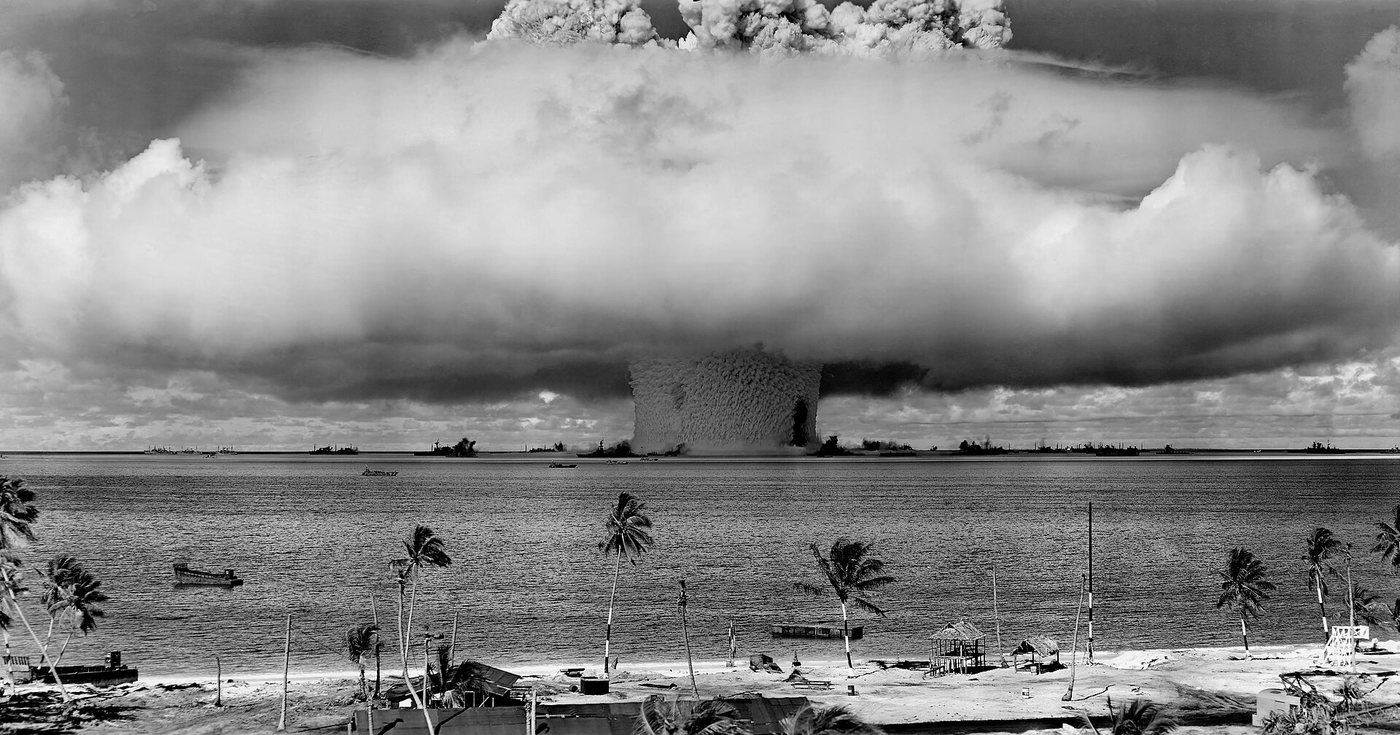
A new global risk assessment has warned that humanity could face extinction by the year 2100 as a result of nuclear conflict or the malicious use of artificial intelligence. The assessment, carried out by a newly established commission linked to the medical journal The Lancet, places those two dangers at the top of a list of 17 major threats to human health over the next 75 years.
The commission's findings, published as part of a wide-ranging review, identify a series of interconnected risks that could undermine decades of progress in global health. Alongside nuclear war and the misuse of AI, the list includes cuts to aid spending by wealthy countries, the climate crisis and childhood malnutrition. Each of the threats is described as having a realistic route to action, suggesting that governments and international bodies still have the means to reduce the dangers if they choose to act.
The inclusion of nuclear conflict and artificial intelligence at the head of the list reflects growing concern among health experts that technological and geopolitical developments are outpacing the systems designed to manage them. A nuclear exchange, even a limited one, would have immediate and long-lasting consequences for health systems, food supplies and the climate. The malicious use of AI, meanwhile, could disrupt economies, spread disinformation and be deployed in ways that cause direct harm to populations.
The assessment also draws attention to the role of wealthy countries in shaping global health outcomes. Proposed and actual cuts to aid spending are identified as a major threat, with the potential to reverse gains made in areas such as childhood nutrition and disease prevention. The climate crisis is listed as another central risk, with its effects on food security, water availability and the spread of disease already being felt in many parts of the world.
Childhood malnutrition remains a persistent concern, particularly in low- and middle-income countries, and is named among the 17 threats. The commission's approach groups these diverse challenges together to highlight how they interact and compound one another. A shock to the global economy, for example, could worsen malnutrition, while climate-related disasters could strain health services already weakened by reduced aid budgets.
Despite the severity of the warnings, the commission emphasises that there is a realistic route to act on each of the identified threats. That assessment is intended to provide a basis for policy responses rather than to present an unavoidable future. The commission's work adds to a growing body of expert analysis calling for coordinated international action on existential and near-existential risks.
The findings are likely to feed into debates among health professionals, policymakers and international organisations about how to prioritise resources over the coming decades. The commission's list of 17 threats is intended to serve as a framework for understanding the most serious dangers facing human health, and for identifying where interventions could have the greatest impact.
For small island states and developing regions, the warnings carry particular weight. Many of the threats identified, including climate disruption, aid reductions and economic instability, are already affecting vulnerable communities. The commission's assessment suggests that without deliberate action, the combined effect of these risks could become overwhelming.
The Lancet commission's report does not predict that any of these outcomes is inevitable. Instead, it presents them as identifiable dangers that require attention. The coming decades will test whether governments and international institutions can translate the commission's warnings into effective measures to protect human health and security.
5