United States President Donald Trump and Russian President Vladimir Putin are engaged in negotiations over a significant oil deal that could have profound implications for the war in Ukraine and global energy markets, according to reports emerging from Washington and Moscow. The talks, which centre on energy cooperation and sanctions relief, mark a dramatic shift in international diplomacy with potential ripple effects across the Caribbean, including the Commonwealth of Dominica.
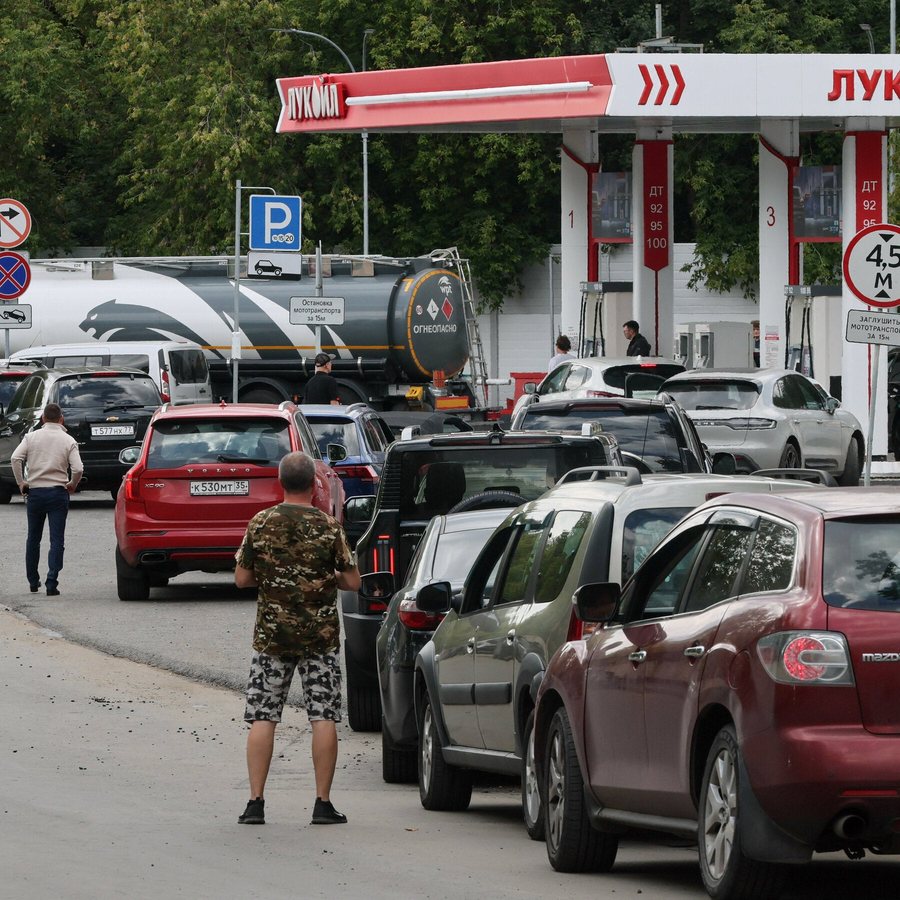
The proposed oil deal would see the United States and Russia collaborate on energy exports, potentially easing sanctions imposed on Moscow following its invasion of Ukraine. In exchange, Russia may agree to concessions related to the conflict, though the exact terms remain unclear. The negotiations come amid ongoing fuel shortages in Russia, with reports showing cars queuing at Lukoil stations as recently as August. The deal, if finalised, could stabilise global oil prices, which have been volatile since the war began.
For Dominica and the wider Caribbean, the outcome of these talks is far from academic. The island imports nearly all its fuel, and fluctuations in global oil prices directly affect the cost of electricity, transportation, and goods. A deal that increases Russian oil exports could lower world prices, offering relief to consumers and businesses in Roseau, Portsmouth, and across the island. Conversely, continued uncertainty could keep prices high, straining household budgets and the vital tourism and fishing sectors.
Regional leaders have been watching the situation closely. The Caribbean Community (CARICOM) has consistently called for a peaceful resolution to the Ukraine conflict, citing its impact on small island developing states. Dominica, as a member of CARICOM and the Organisation of Eastern Caribbean States (OECS), has supported diplomatic efforts to end the war. Any agreement between Trump and Putin that reduces tensions would be welcomed in Roseau, where officials have long argued that global conflicts disproportionately harm small economies.
The talks also raise questions about the future of Western sanctions and the role of Russian energy in the global market. European allies have expressed concern that a bilateral US-Russia deal could undermine collective pressure on Moscow. Ukraine, meanwhile, has insisted that any agreement must respect its sovereignty and territorial integrity. The negotiations are said to be at a delicate stage, with no formal announcement expected imminently.
For Dominica, the immediate priority remains energy security and affordability. The government has been exploring geothermal energy as a long-term solution, but in the short term, the island remains dependent on imported fossil fuels. A drop in oil prices would provide breathing space for the economy, potentially lowering electricity bills and reducing the cost of imports. It could also boost the cruise and tourism sectors, which are sensitive to travel costs.
The Office of Disaster Management and the Dominica Meteorological Service have not issued any alerts related to the talks, but the Ministry of Finance is understood to be monitoring global oil markets closely. Any major price shift would be factored into budget planning and could influence the government's programme of support for vulnerable households.
As the negotiations continue, Dominicans are advised to stay informed through official channels. The outcome of the Trump-Putin oil deal could shape the island's economic outlook for months to come, underscoring how events far from the Nature Isle can directly affect daily life in the Caribbean.
2