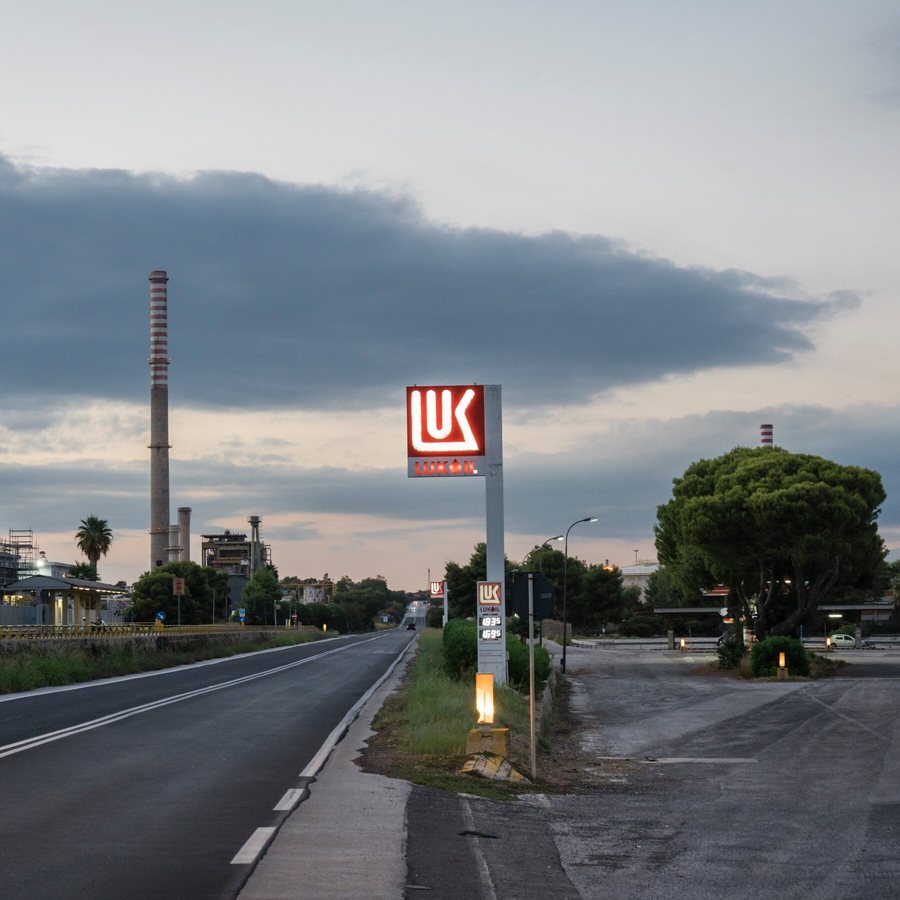
Negotiations between the United States and Russia aimed at ending the war in Ukraine have expanded to include a proposed oil deal centred on Lukoil, Russia's largest private oil company, according to reporting on the talks. The discussions now involve business figures connected to President Donald Trump, signalling that commercial interests within his inner circle have entered the diplomatic process.
The Lukoil negotiations are said to run alongside the broader diplomatic effort to halt the fighting in Ukraine. Details of the proposed transaction have not been made public, and it is not clear how far the talks have progressed or what role, if any, the company itself is playing in the discussions. What is evident is that an energy asset of significant value has become part of a negotiation that began as an effort to end a war.
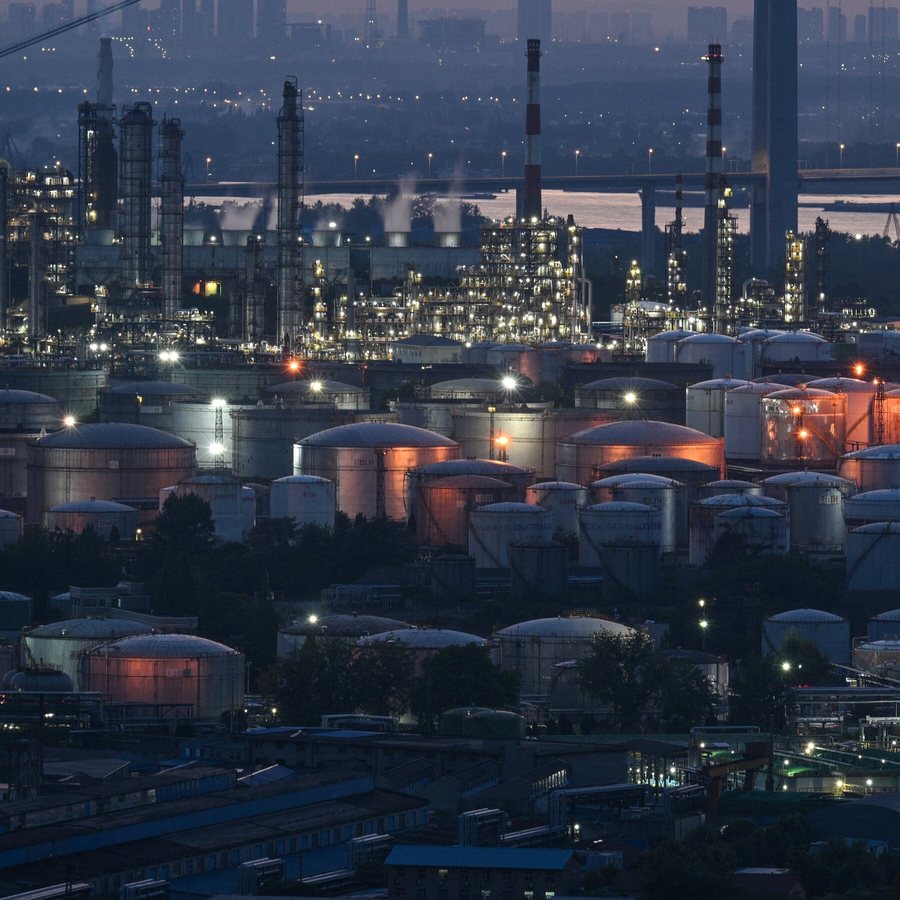
Lukoil is Russia's biggest private oil company, a major exporter and a long-standing presence in global energy markets. Any arrangement touching its ownership or operations would carry weight well beyond the immediate conflict, affecting oil trading, sanctions policy and the wider relationship between Washington and Moscow.
The involvement of individuals close to the President has drawn attention because it places private business interests alongside the official diplomatic track. The reporting indicates that personal commercial considerations within Trump's circle are also in play as the talks proceed, raising questions about how the various strands of the negotiation relate to one another.
For the Caribbean, the story is not remote. Oil prices set in global markets feed directly into the cost of fuel, electricity and imported goods across the region, and Dominica is no exception. A deal that shifts the supply or pricing of Russian crude could influence the Eastern Caribbean dollar cost of energy, transport and food at a time when households are already watching their budgets closely.
Dominica's own energy path has been moving in a different direction, with geothermal development pursued as a long-term answer to costly imported fuel. Even so, the island remains tied to world oil markets for the fuel used by vehicles, fishing boats, generators and the ferries that link Roseau, Portsmouth and the wider region. Movements in the price of crude are felt in the price of a ride, a catch and a barrel of goods.
The talks also matter diplomatically. Dominica maintains relations across the Caribbean and beyond, and Caribbean governments have consistently called for a peaceful settlement in Ukraine, pointing to the war's effect on shipping, insurance and food import bills. A negotiated end to the conflict, however it is reached, would be welcomed in the region for those practical reasons.
It remains unclear whether the oil element will accelerate or complicate the Ukraine negotiations. Mixing a commercial deal with a ceasefire effort introduces interests that are not purely diplomatic, and observers will be watching for any sign that the two tracks are being traded against each other.
No timeline has been given for the next round of talks, and no official statement has confirmed the terms under discussion. For now, the fact that Lukoil has entered the conversation is itself the news: a war negotiation has acquired an energy dimension, and the people around it are not only diplomats.
2